
Whether you are new to link building or have been working on SEO campaigns for decades now, conducting a backlink audit will be one of the most rewarding and essential actions you could ever do. It helps you filter out all the clutter that comes with everyday routine work.
It transforms an endless mess of information into a well-thought-out roadmap showing you clearly how you should move forward in order to enhance the position of your website in the search engine result page.
A good audit not only reveals the information about links but also gives you answers to those crucial questions that make SEO specialists feel restless. For instance, why do those certain websites decide to link to you? What pages from your website provide real benefits to your business and help increase its authority and traffic?
And lastly, where do you have the gaps in your work that may cause you to stop progressing at some point? With these answers in mind, it becomes much easier to design a successful strategy.
In this guide, we are going to break down the backlink audit process from top to bottom. We will look at what it is, why it is non-negotiable for your long-term organic performance, and the eight practical, research-backed steps you need to take to move from a messy, undefined link profile to a clean, highly effective plan.
What Is a Backlink Audit?
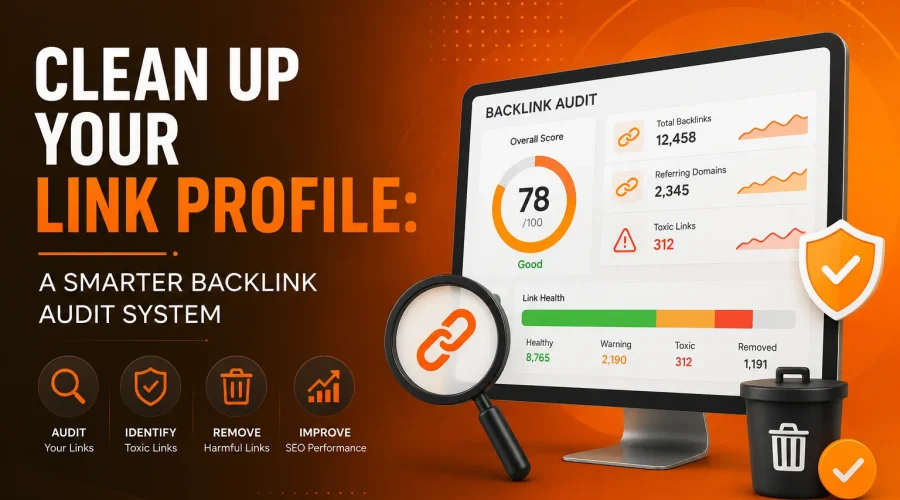
Think of a backlink audit as a comprehensive health check for your website’s overall authority. Essentially, it is a deep-dive review of every single external link pointing to your domain.
These backlinks, often referred to as inbound links, serve as one of the primary signals that search engines like Google use to determine how much they should trust your content and where you deserve to rank in the competitive search landscape.
When you audit your profile, you are not just looking at raw volume. You are evaluating the “who, what, and why” of every single link. You are checking the topical relevance of the referring domains, analyzing which specific pages are receiving the most “link juice,” and hunting for toxic, spammy links that might be quietly undermining your hard work.
You should view this as a vital, preventative measure for your digital assets. Just like you wouldn’t wait for a major engine failure before taking your car to a mechanic, you shouldn’t wait for your rankings to tank before checking your link health.
It is particularly essential when you take over a new site, launch a new link-building initiative, or find yourself scratching your head about why your organic traffic has suddenly plateaued. An audit gives you the clear, data-backed baseline you need to move forward with absolute confidence.
Why Perform a Backlink Audit?
The primary goal of a link audit is to provide you with the “big picture” of your site’s reputation. It helps you see how you stack up against your direct competitors and reveals the low-hanging fruit that can make a massive, measurable difference in your organic performance.
Here are the four core reasons you need to make this a habit:
- Establishing a Clear Benchmark: Before you launch a new, intensive campaign, you have to know where you stand. Without a baseline, you are essentially working in the dark, unable to measure whether your efforts are actually moving the needle.
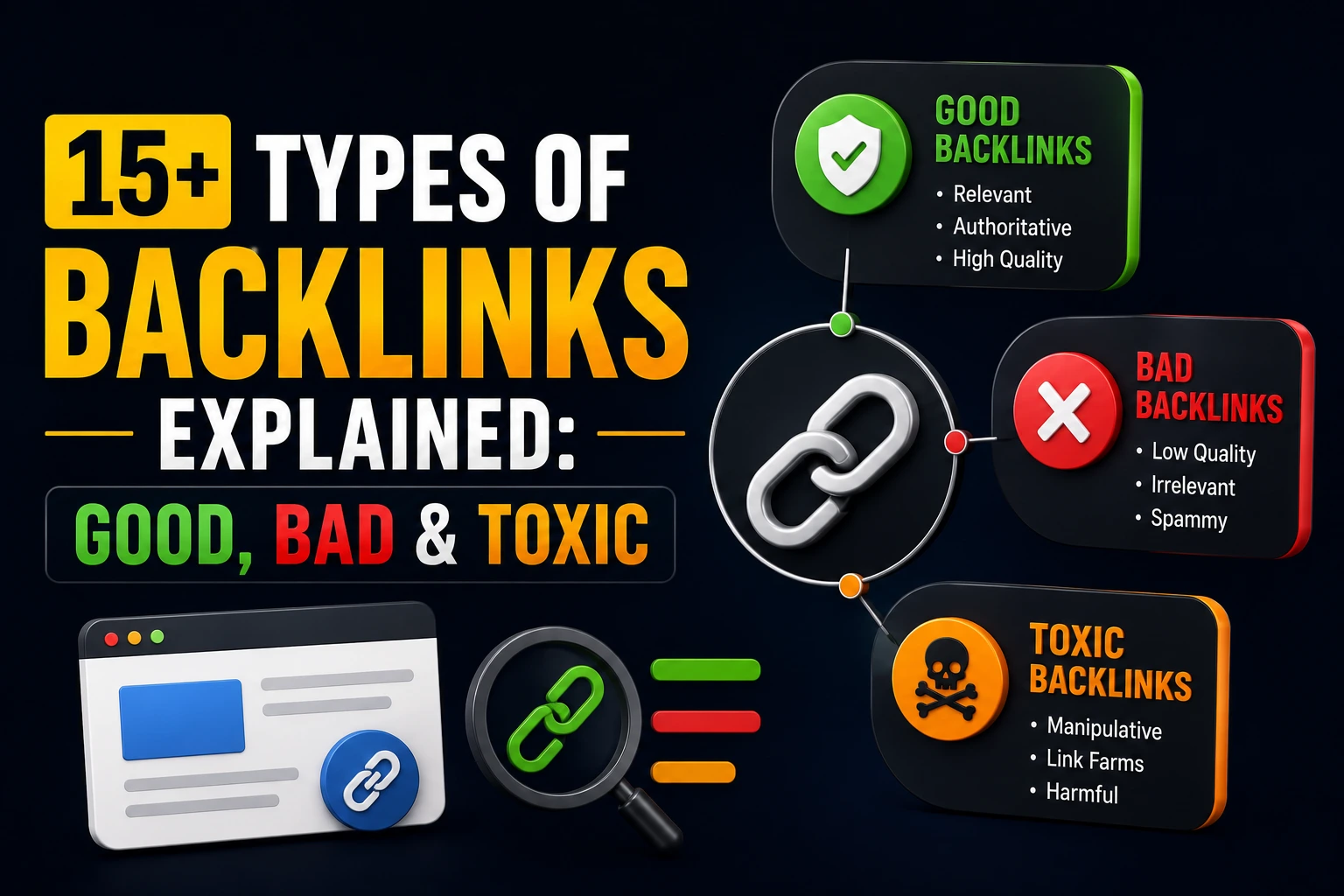
- Identifying and Neutralizing Harmful Links: Not all links are created equal. Sometimes, spammy, low-quality, or toxic backlinks can drag your site’s reputation down, or worse, trigger a manual penalty from search engines. You cannot fix what you cannot see, and an audit brings these threats into the light.
- Uncovering Hidden Content Opportunities: When you see what kind of content already earns links for you naturally, you stop guessing. You gain a proven, evidence-based foundation for your future content strategy.
- Spying on the Competition: Understanding the backlink profiles of your competitors is a total game-changer. It shows you the gaps in their strategies and where you can step in to take the lead with superior assets.
Furthermore, an audit is your best defense against “negative SEO,” a malicious situation where a bad actor tries to sabotage your rankings. Regular, proactive check-ins mean you can handle these threats long before they have a chance to affect your bottom line or cause lasting damage.
Before You Start: Choose the Right Tool
Do not try to conduct a professional-grade audit manually. You need high-level tools that can handle the heavy lifting, aggregate the data, and give you the actionable insights you need to make informed decisions.
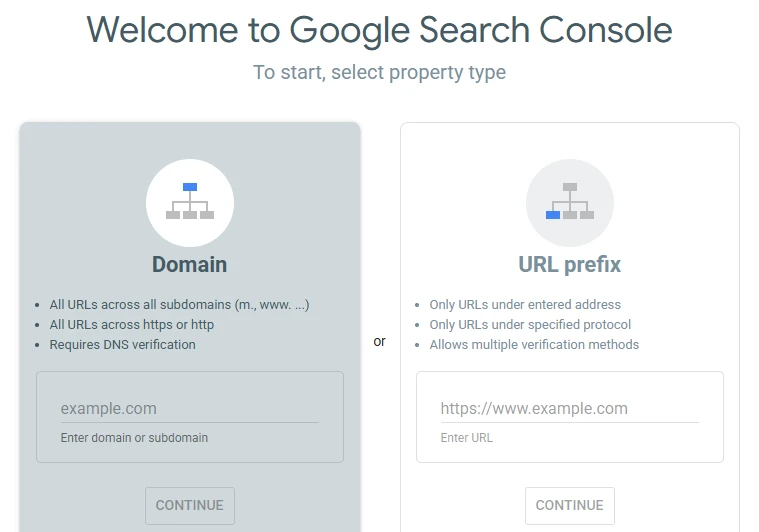
Google Search Console (GSC): This is your essential foundation. It is free, comes straight from the primary source, and is perfect for checking your most-linked pages and identifying anchor text patterns. While it doesn’t provide deep, proprietary quality metrics, it is the absolute starting point for any professional audit.
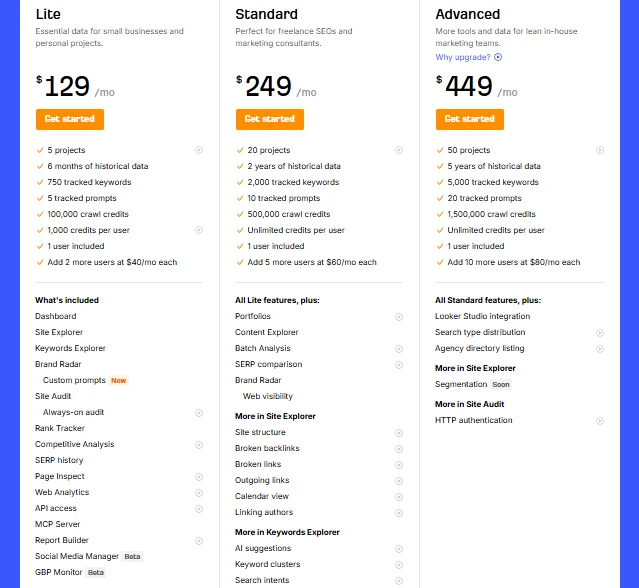
Ahrefs: This is widely considered the industry gold standard. It offers incredibly deep, granular data on referring domains, domain ratings, and broken link opportunities. If you are going to invest in one paid tool for a thorough, recurring audit, this is usually the best professional choice.
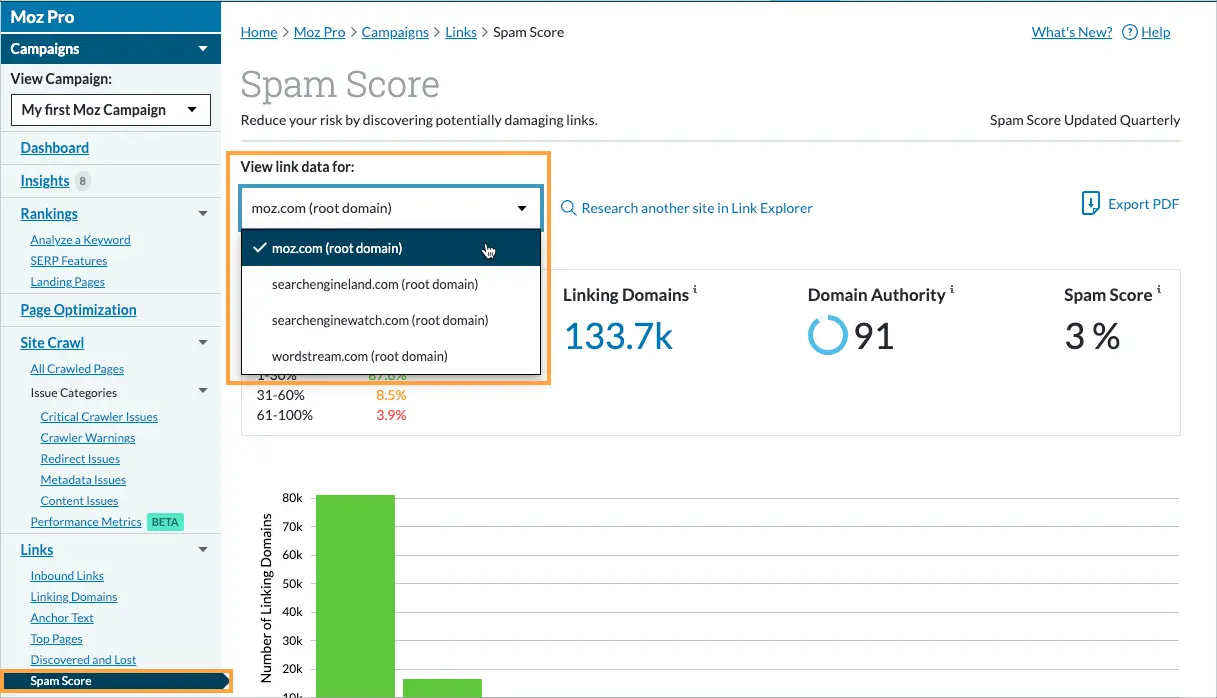
Moz: Renowned for its proprietary “Spam Score” metric, which is excellent for quickly flagging links that look sketchy or suspicious. It is a fantastic tool to supplement your primary data from Ahrefs or GSC.
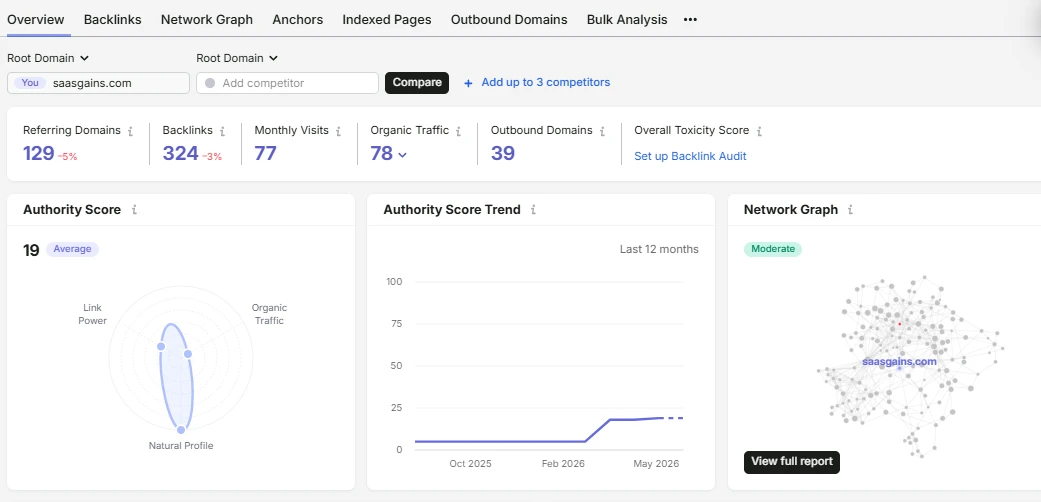
Semrush, Majestic, and SpyFu: All of these are powerful in their own right. Semrush is excellent for deep competitor research, while Majestic is well-regarded for its trust-based flow metrics.
Pro Tip: Most experienced SEOs do not rely on just one tool. Using a strategic combination of tools, like GSC for raw, accurate data and Ahrefs for industry-leading depth, gives you a much more rounded and accurate view of your profile.
Follow These 8 Steps to Complete a Backlink Audit
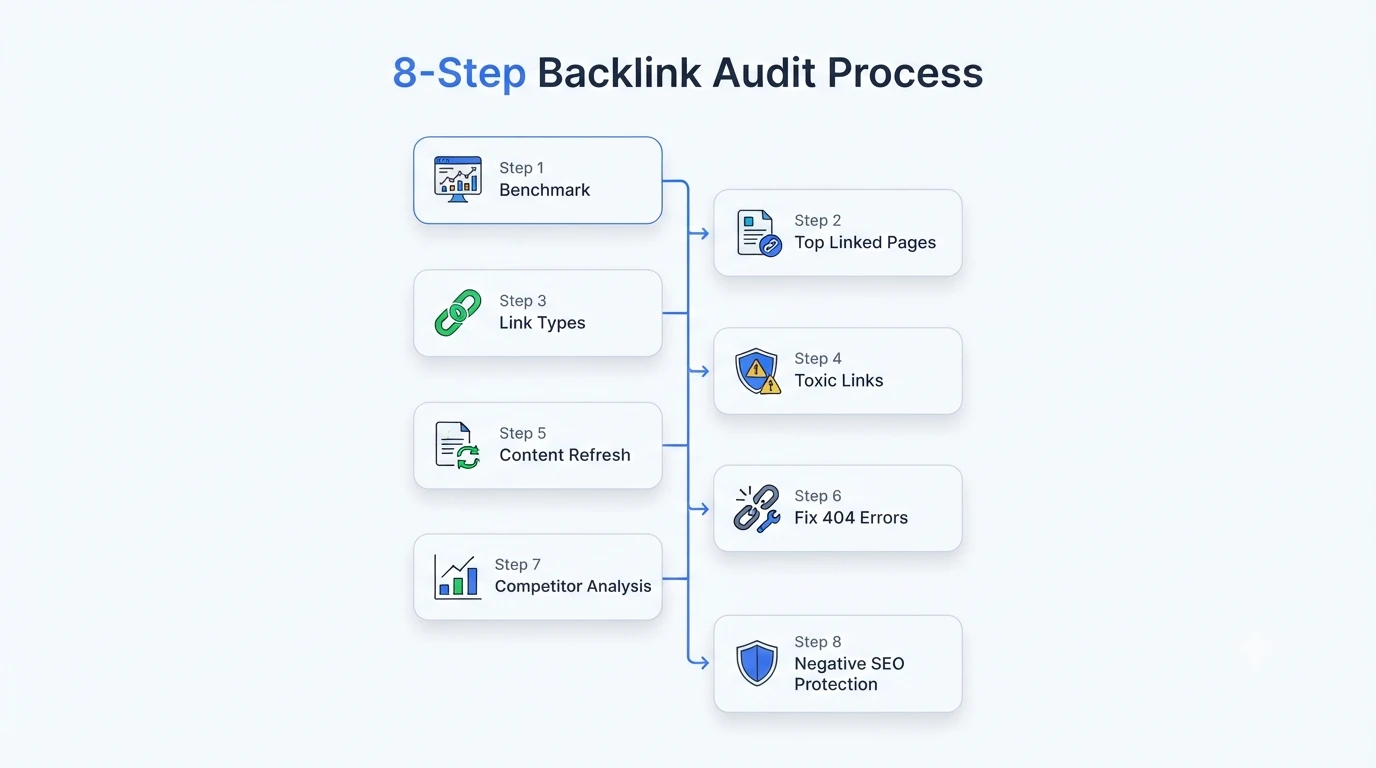
Step 1: Benchmark Your Website
Before you start changing anything, you need to capture a snapshot of your current state. This is your “before” photo. Log into your chosen backlink tool and pull the full overview report for your domain. Create a structured spreadsheet to record these key metrics:
- Total Backlinks: This is the cumulative count of all inbound links pointing to your site.
- Referring Domains: This is arguably more important than the total link count, as it measures how many unique websites are actually vouching for your content.
- Dofollow vs. Nofollow Ratio: Dofollow links pass authority, while nofollow links generally do not. A balanced profile is usually the healthiest, but you want to see a steady stream of dofollow links from high-authority sources.
- Domain Authority/Rating: This gives you a general benchmark of your site’s “weight” compared to the rest of the web.
- Link Acquisition Rate: Track how quickly you are picking up new links over recent months. When you start your campaign, you should see this number show a healthy, consistent upward trend. This is closely related to link velocity, which measures the rate at which a website gains backlinks over time.
Step 2: Discover the Content People Link To
Which pages on your site are doing the heavy lifting? You need to identify the pages that people are naturally linking to. These are your “link magnets,” and they are the blueprint for your future content strategy.
Use the “Top Linked Pages” report in GSC or the “Best by Links” report in Ahrefs. Once you have this list, you can leverage it in three ways:
- Outreach Foundations: Since other websites are already linking to this type of content, use it as a primary reference when you are doing your own outreach.
- Content Expansion: If a specific guide is getting links, write a follow-up piece or a deeper, updated dive into the same topic.
- Internal Linking: Take those high-authority pages and link to your newer, less-linked pages to pass that “link juice” around your own site.
Step 3: Look for Link Types
Understanding the “DNA” of your existing links reveals what strategies have worked for you in the past. Head to the Backlinks section of your tool and filter by dofollow links.
- Guest Posts: These are usually high-quality and relevant. If you see many of these, your site has historically been a strong contributor to your industry.
- Roundups: A high concentration of these often indicates that your site has benefited from PR or media outreach campaigns.
- Niche Edits: If you see a massive volume of these with keyword-heavy anchor text, it might suggest that previous SEO work relied on less-than-organic methods. Knowing this helps you decide what to double down on and what to avoid.
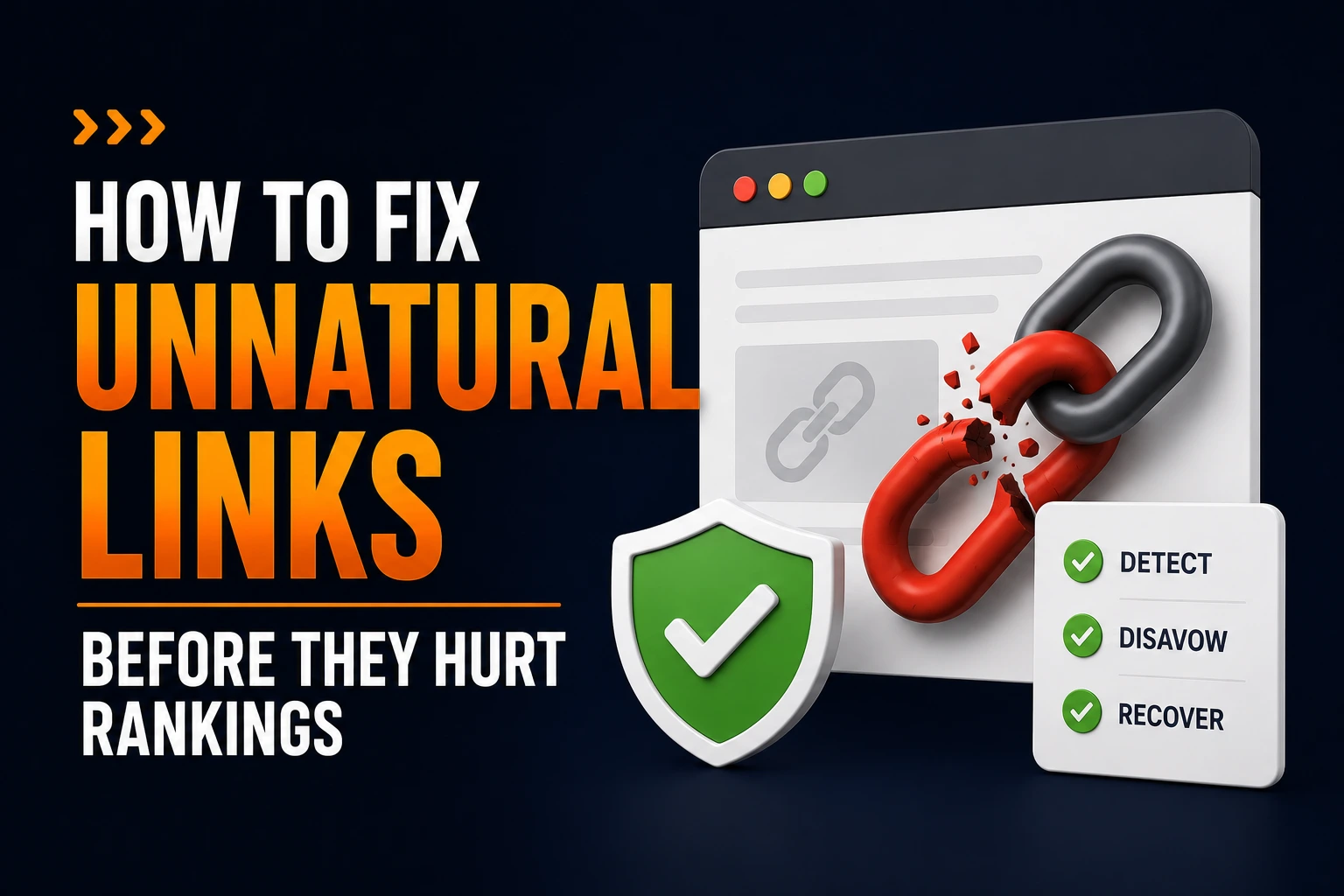
Step 4: Identify and Disavow Links
This is your defensive measure. First, check the “Security & Manual Actions” section in GSC. If there is a manual action, you must address it before anything else, as it is very difficult to rank well with an active penalty. Next, use a tool like Moz to check for high “spam scores.”
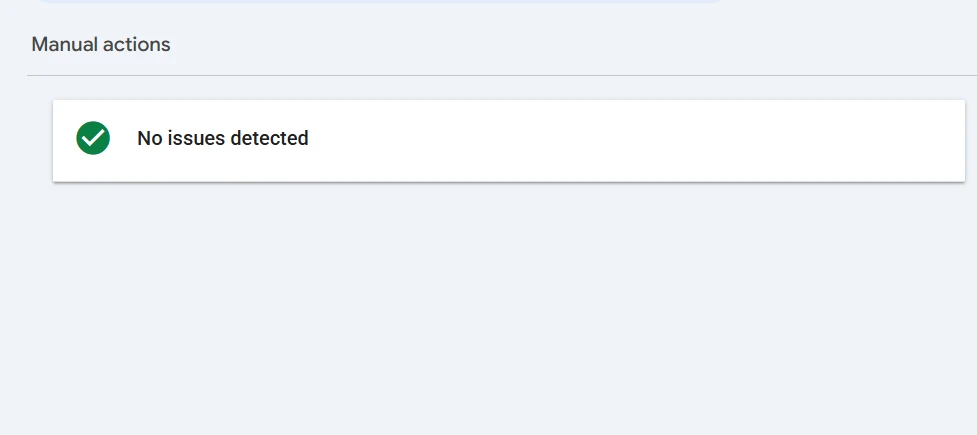
Look for links from sites that seem entirely unrelated to your niche or are based in regions that don’t match your target audience. These types of links are often associated with link farming practices and can appear unnatural to search engines. Also, check your anchor text. Is it overly aggressive?
If you have hundreds of links using a generic, commercial keyword that has nothing to do with your brand, that looks suspicious. Only use the Google Disavow Tool if you are genuinely convinced these links are hurting you.
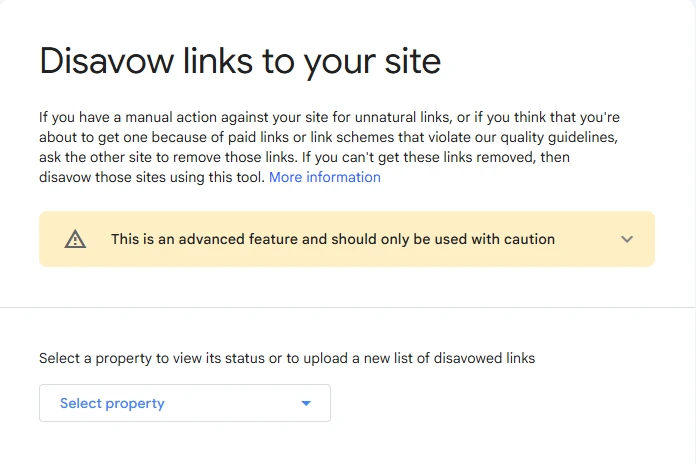
Need a step-by-step walkthrough? Read our Disavow Backlinks guide to learn when and how to safely disavow harmful backlinks without affecting your SEO.
Step 5: Look for Content Refresh Opportunities
When you identify pages that possess a robust backlink profile but fail to generate meaningful organic traffic, you have struck a goldmine for growth. These pages have the inherent authority required to rank, yet something is clearly holding them back.
Your primary objective here is a strategic “content refresh.” Begin by auditing these underperformers against the current SERP (Search Engine Results Page) leaders.
Ask yourself: Is the information outdated? Is the user intent misaligned? Perhaps the top-ranking results utilize interactive charts, embedded videos, or expert-led case studies that your page lacks.
By updating the content, improving the on-page SEO, and ensuring the format perfectly matches the searcher’s intent, you can “reactivate” that dormant link equity. This is one of the most efficient ways to boost your site’s overall rankings without needing to build a single new link.
Step 6: Identify and Fix 404 Errors
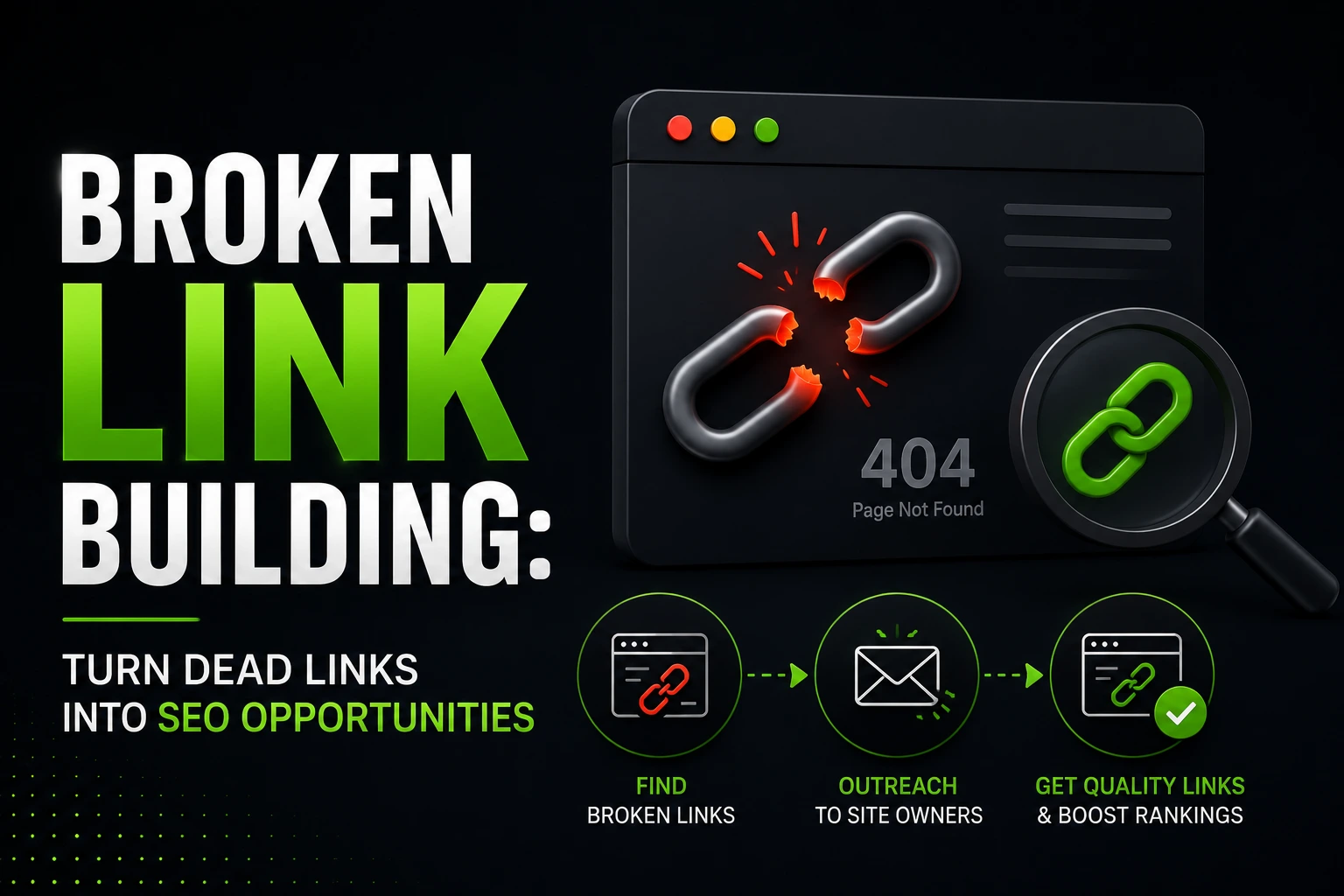
Broken backlinks are stealth losers of your site’s authority. Each time there’s a backlink from another site to one of your URLs that gives you a 404 error, you lose all the link equity of that URL.
You are losing out on all that authority that the domain linking to your site meant to give you. With the help of the “Broken Backlinks” report on software such as Ahrefs, you can find out which of your URLs are facing these 404 errors and even find out which external sites are referring visitors to those URLs.
The remedy is easy and very effective. You just need to perform a 301 redirect and point that broken URL to the best quality, most active page on your site. Thus, you regain your lost link equity. It is a very easy task with high returns. It almost always helps you restore your rankings.
Step 7: Conduct Deep Competitor Analysis
After establishing yourself in terms of your own link landscape, you need to switch gears towards your direct competitors and see what they are doing in terms of gaining authority. Choose three to five competitors who are always ranking above you using the same set of keywords.
Conduct the same benchmarking exercise on your competitors’ website as you did on yours. Analyze in detail their “Best by Links” report. Is there any particular type of content, such as original research, analytical white papers, or toolkits, that they are using in order to earn links for themselves?
Through this analysis, you will be able to determine the “authority gap” that you have with your competitors.
Instead of making assumptions about what works, you can now implement an evidence-based strategy. If one particular topic is earning links for all your top competitors, it is a strong indication that you too need to develop a high-quality piece around this topic.
Step 8: Proactive Defense Against Negative SEO
While most link building is constructive, you must remain vigilant against negative SEO, a situation where a bad actor intentionally directs spammy, toxic, or irrelevant links to your domain to damage your reputation. This is where your regular audit habits pay off.
During your monthly checks, monitor your link acquisition patterns for sudden, unexplainable spikes. An immediate and massive amount of backlinks from unrelated and irrelevant low-quality websites from foreign countries or a spike in commercial exact match anchor texts that do not fall in line with your brand’s profile are typical red flags.
Upon recognizing such a pattern, make sure to log those URLs, investigate their source, and utilize the Google Disavow Tool to indicate that these links do not belong to your brand. Through regular audits, you will be able to prevent any potential risks from ever becoming a problem.
Bringing It All Together
The backlink audit is not a once-in-a-lifetime procedure; it is an essential aspect of your SEO activities. With the help of the eight steps mentioned above, such as benchmarking, analysis of top-performing pages, identification of types of links, toxic link cleaning, reviving underperforming pages, redirects fixing, monitoring the competitors, and attacks detection, you take full control over the digital future of your website.
No more link-building; you build your authoritative and safe digital environment. Conducting this process systematically will ensure that your SEO strategy will become much more than some independent actions and will turn into a reliable system with the help of which you can achieve stable results.
Consider your LinkedIn profile to be one of the most important assets, and search engines will give you what you deserve.
Frequently Asked Questions
How often should I conduct a full backlink audit?
Industry experts suggest performing a comprehensive audit once every quarter, though a quick monthly check is advisable to spot emerging toxic links early. This routine helps maintain your site’s health without becoming a full-time job.
Does using the Disavow Tool negatively impact search rankings?
Disavowing is a defensive measure to clear harmful signals, which generally protects your ranking. However, erroneously flagging high-authority links can cause a drop, so it is vital to double-check your file before submission.
What defines a “good” Domain Authority score?
Authority metrics are context-dependent; a score that is “good” in a niche industry might be low in a competitive one. Focus on your growth relative to your direct competitors rather than chasing an arbitrary numerical target.
What is the primary cause of frequent 404 errors in my profile?
These errors usually stem from outdated URL structures, moved content, or deleted pages that were not properly redirected. Implementing 301 redirects to your current, relevant content is the standard solution to resolve these breaks.
Is it possible to perform an audit without investing in paid software?
Yes, Google Search Console provides essential baseline data for free. However, premium tools offer advanced features like automated spam detection and competitor benchmarking that save significant time during larger audits.
What is the most common error made during the audit process?
Over-optimizing your cleanup is the biggest pitfall. Many users aggressively disavow low-quality links that Google already ignores; you should only take manual action when there is clear evidence that specific links are damaging your reputation.