
So you keep hearing the term “backlink profile” thrown around in SEO conversations, but nobody seems to explain it in a way that actually makes sense?
You are in the right place. This guide is going to walk you through exactly what a backlink profile is, what makes one strong versus weak, where you can actually go to view yours, and how to properly analyze it so you can start making smarter SEO decisions.
Let us get into it.
What Is a Backlink Profile?
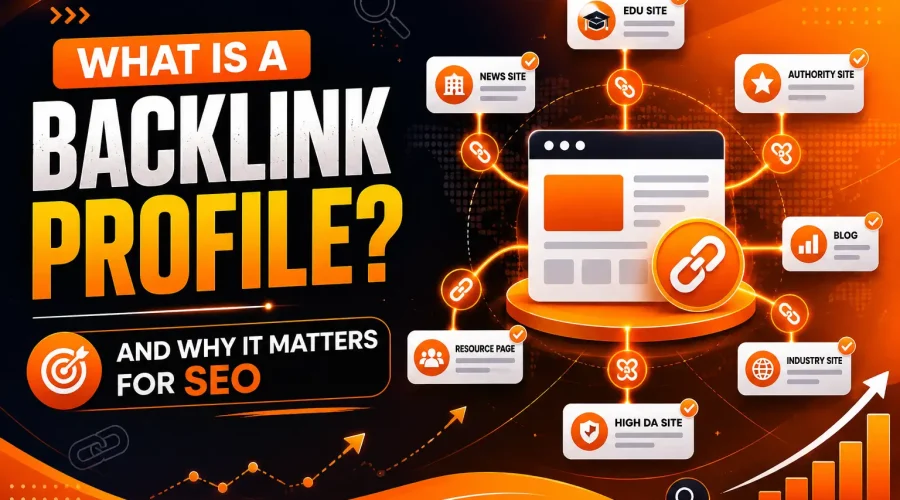
A backlink profile refers to all links coming to your website from other places online. Each time another website creates a link to your website, that link forms part of your backlink profile.
However, it goes beyond mere numbers. Backlink profiles reveal much more than just the number of backlinks. For example, your backlink profile reveals where your backlinks come from, the type of websites linking to your site, what keywords they use to reference your site (known as anchor texts), and whether these websites are relevant to your subject matter or not.
To put things into perspective, imagine your website to be a candidate applying for a job position. Backlinks in such a case will represent your references. The more credible and relevant your references are, the greater your chances of being hired. And this is precisely what happens when it comes to search engine ranking.
In essence, Google takes a look at your backlink profile to determine how much trust and authority your website deserves. Trust means better rankings; better rankings result in higher visibility.
Here is a quick summary of what your backlink profile actually includes:
- Every inbound link pointing to your website from an external source
- The quality and authority level of the websites linking to you
- The anchor text being used across those links
- How relevant the linking websites are to your niche
- The overall variety and distribution of your link sources
Understanding your backlink profile is one of the most important steps you can take in your SEO journey, and the good news is that once you get it, it starts to make a lot of sense.
What Does a Good Backlink Profile Look Like?
Backlinks profiles are not all built the same way. An optimal backlink profile can really take your rankings to the next level. But how should such a profile look?
It Has Links from High-Authority, Relevant Websites
Among the most valuable links in your backlink profile are those links that you get from relevant and authoritative websites. The thing is that getting a link from an authoritative source in your industry matters much more than getting a link from a non-authoritative site that has no authority at all.
Another very important factor is the relevance of the links. For instance, if your website is about personal finance, a link from a relevant and reputable blog devoted to money management will matter much more than a link from a site devoted to pet care.
It Features a Healthy Mix of Anchor Text
Anchor text is clickable text that acts as a link to another site. An optimal backlink profile is characterized by an appropriate use of anchor texts, which should be different from each other and not include the same keyword phrase.
An ideal ratio of anchor texts could be as follows:
- Branded anchors: The use of your company name or web-site name in anchor texts
- Naked URL: When URL is used as anchor text
- Generic phrase: Click Here, Read More, etc.
- Keyword anchors: Industry-relevant keywords in appropriate ratios
In case you use only branded or naked URLs or keyword anchors in excessive amounts, then your anchor text becomes quite unbalanced.
It Grows at a Steady, Natural Pace
A strong backlink profile does not appear overnight. It builds gradually over time as more websites discover your content and choose to reference it. That kind of organic growth is exactly what search engines want to see.
Rapid, unexplained spikes in link acquisition can raise flags. Slow, consistent growth signals that real people are finding value in what you publish and choosing to share it. This type of natural link velocity helps create a stronger and more trustworthy backlink profile.
It Draws from a Wide Variety of Sources
Think about how links work in the real world. One website might link to you in a news article. Another might include you in a resource list. A blogger might mention you in a tutorial. An industry forum might reference your content in a discussion thread.
A diverse range of link sources is one of the clearest signs that your backlink profile has grown naturally. When all your links come from the same type of source, it tends to look like it was engineered rather than earned.
It Keeps Toxic Links to a Minimum
Every website picks up a few low-quality links over time. That is just part of being on the internet, and it is nothing to stress over. What matters is that your profile stays predominantly clean, with high-quality links making up the bulk of what is pointing to your site.
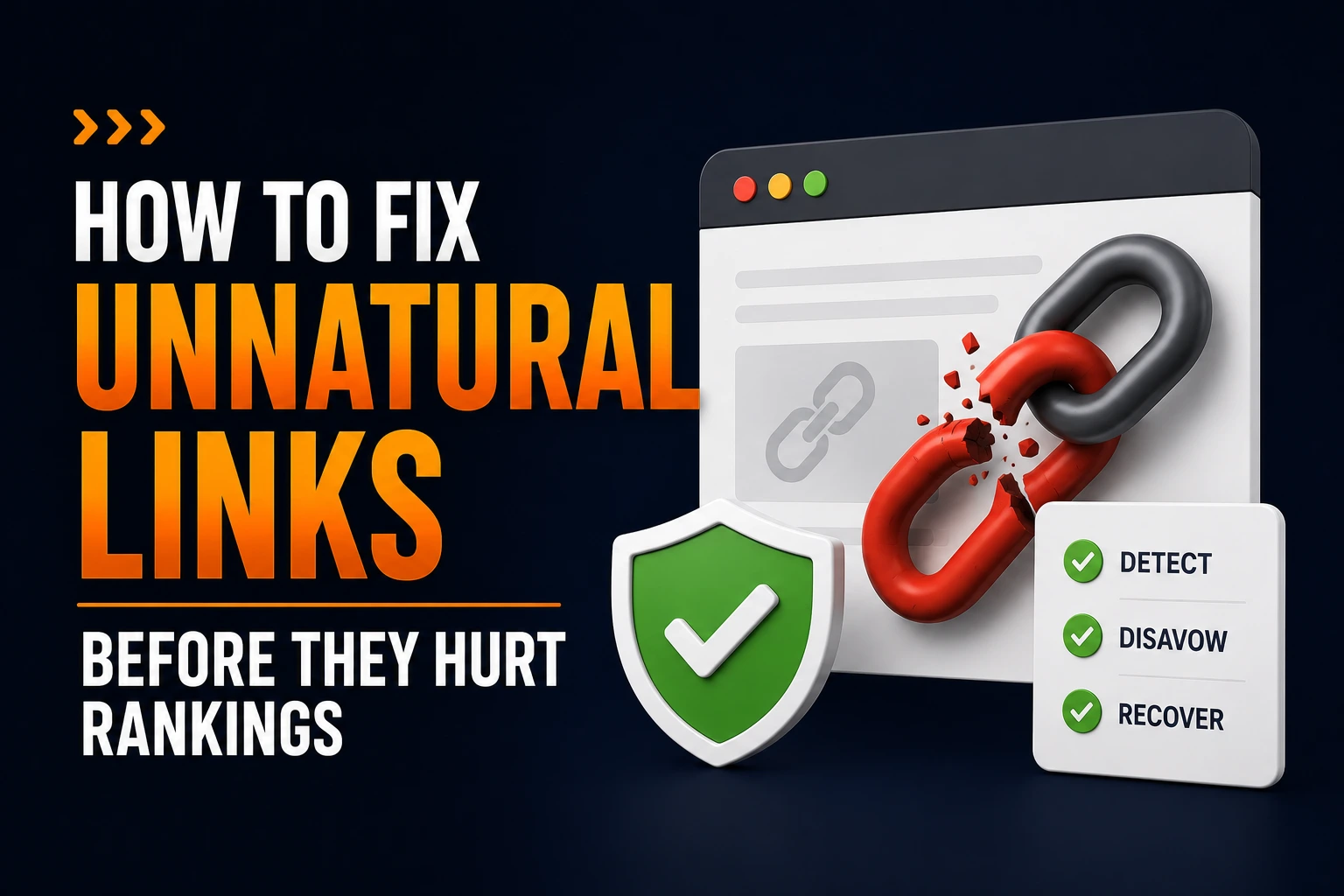
If spam links do accumulate, there are ways to handle them. Google’s Disavow Tool allows you to flag links you want search engines to ignore, which helps protect your profile from taking unnecessary hits.
What Does a Problematic Backlink Profile Look Like?
Now let us look at the other side of the coin. Recognizing the warning signs of an unhealthy backlink profile is just as valuable as knowing what a strong one looks like.
Very Few Links from Trusted Sources
A profile that consists mostly of links from low-authority websites provides almost no real SEO benefit. If the sites linking to you have little credibility of their own, the trust they pass along is minimal at best.
Links from Sites That Have Nothing to Do with Your Niche
When a large portion of your backlinks come from websites that are completely unrelated to your industry, it tells search engines very little useful information about your site. Relevance matters enormously. Links that make contextual sense are the ones that move the needle.
Over-Reliance on Exact-Match Keyword Anchors
This one catches a lot of people out. Using the same keyword phrase as anchor text across the majority of your backlinks is one of the oldest tricks in the book, and search engines have long since caught on to it.
Quality link building focuses on variety, not uniformity. A natural anchor text spread is what keeps your profile looking authentic and trustworthy.
A High Volume of Spammy or Toxic Links
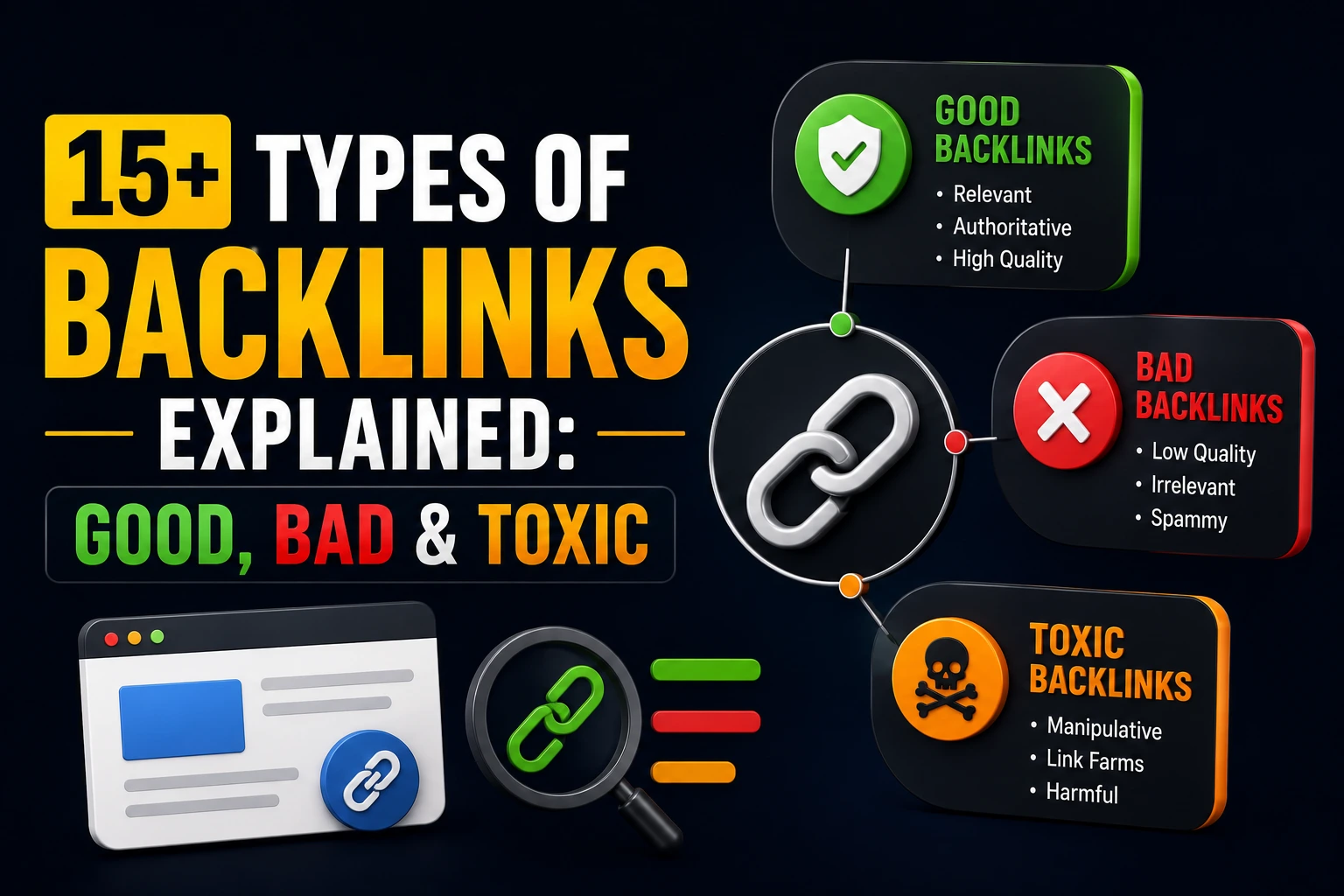
Links from content farms, private blog networks, link directories that exist purely to sell links, or websites with no real audience can actively work against your rankings. The presence of too many toxic links is something that needs to be addressed rather than ignored.
No Real Diversity in Link Types
If your backlinks all come from the same type of source, that uniformity can look suspicious to search engines. A genuinely earned backlink profile draws from a wide mix of domains, site types, and content contexts.
Where to Find Your Backlink Profile
And here is a piece of information that you need to be aware of: there is not a single tool that can help you check all backlinks to your site. The Web is vast, and not even the best SEO services manage to cover everything. Still, the information you will get will be enough to make the right decisions.
These are the tools that are the most popular when it comes to checking the backlink profiles:
Google Search Console is completely free and is always a good start. It will allow you to see what external sites link to yours and what pages on your site get the most links. This information comes directly from Google, which gives it a certain level of credibility.
Ahrefs is one of the most thorough backlink analyzers. With its Site Explorer, you will get the complete statistics about your referring domains, anchor text distribution, link types, domain authorities, and many other useful metrics, including growth.
Semrush provides good reports about backlinks along with other SEO functions. It will be very helpful when you are trying to find new or lost backlinks.
Majestic SEO takes a link-first approach and uses its own trust and citation metrics to evaluate backlink quality. It gives you an additional perspective that complements what other tools provide.
The takeaway here is simple. Use at least one of these tools regularly. The data they surface will shape your entire link-building strategy.
Backlink Profile Analysis: How to Actually Do It
Pulling up your backlink data is only the beginning. The real value comes from knowing how to read that data and what to do with it. Here is a structured way to approach your analysis.
Get Your Bearings with a High-Level Overview
Start by looking at the big picture. How many referring domains do you have? What is your overall domain authority or domain rating? How has your link count trended over the past several months? This initial snapshot gives you a foundation to build from before you start digging into the details.
Assess the Quality and Relevance of Your Referring Domains
Go through the websites linking to you and evaluate each one. Look at their domain authority, the quality of their content, the traffic they receive, and how relevant they are to your own topic area. High-quality, relevant referring domains are the backbone of a strong profile.
Any domains that look spammy, have little legitimate content, or are completely disconnected from your niche are worth flagging for further review.
Review Your Anchor Text Distribution
Generate a list of your anchor text and check how diverse these terms are. Is there only one term or phrase dominating all the rest? If yes, you should be aware that your anchor text profile is not diverse enough. The presence of too-uniform anchor text is the sign that your profile should have some improvements in the future.
The naturally looking anchor text profile should be diverse and contextual, as it represents the way real people link when sharing the content they find useful.
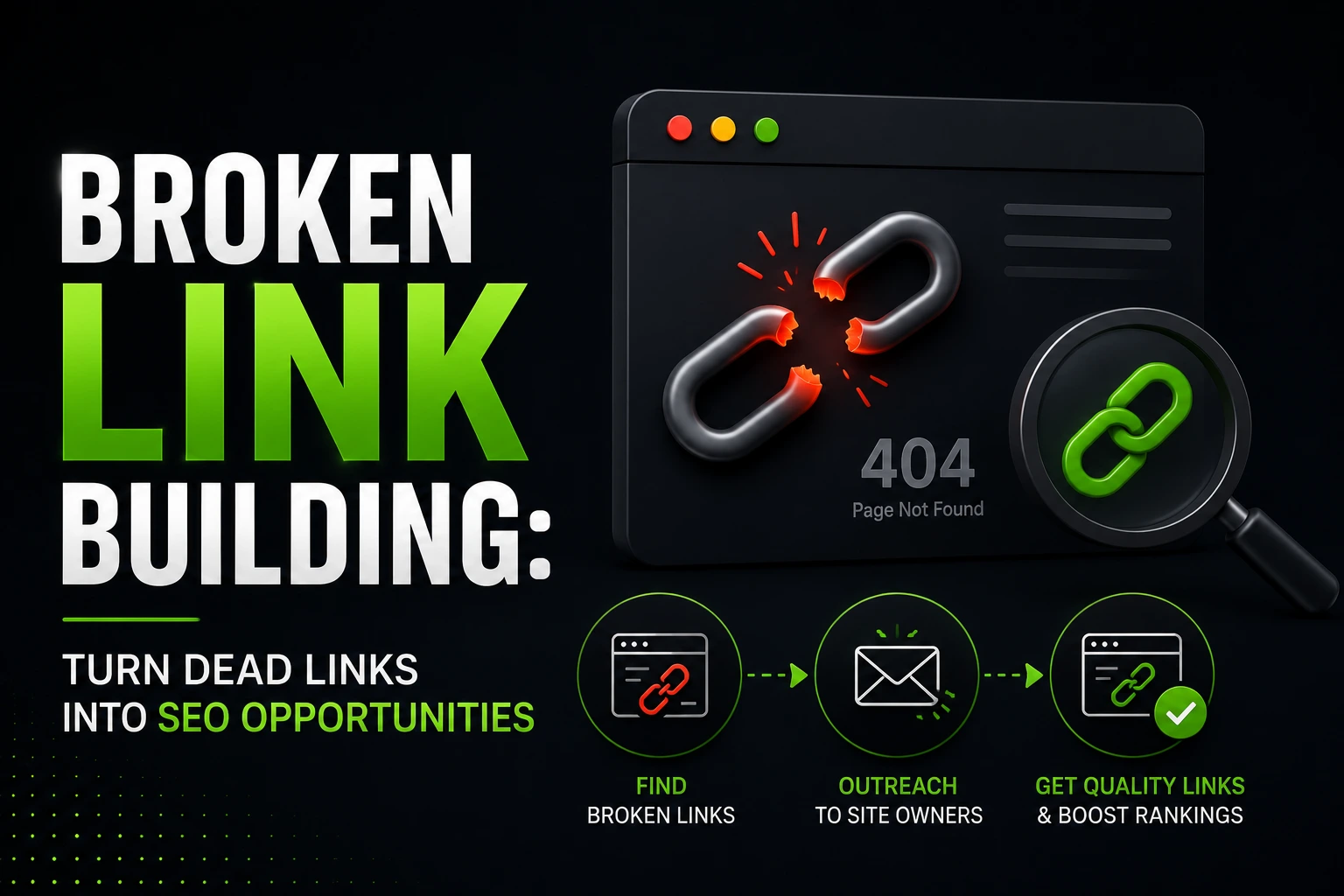
Track New Links, Lost Links, and Broken Links
Most backlink analysis software provides you with the possibility to check your links by their type, new links, lost links, or broken links. It will be good for you to understand the links you got recently, as they will give you information on what kind of content gets attention from other people.
Check Your Do-Follow and No-Follow Balance
Do-follow links are the ones that pass authority directly to your site. No-follow links include a tag that tells search engines not to pass that authority. Both have a role to play. A profile made up entirely of do-follow links can look unnatural, so maintaining a reasonable balance between the two reflects the kind of organic link acquisition that happens in the real world.
Identify Any Toxic Links and Address Them
Use your tool’s spam scoring or toxicity features to flag any links that look problematic. Once identified, you have a few options. You can reach out to the linking site and request removal, or you can use Google’s Disavow Tool to signal that those links should be excluded from your site’s authority calculations. Either way, addressing toxic links protects the overall health of your profile.
Compare Your Profile Against Competitors
This is one of the most insightful things you can do. Look at the backlink profiles of websites currently outranking you for your target keywords. Where are their links coming from? What anchor text patterns are they using? What types of content seem to earn them the most links?
The answers to those questions are a roadmap for your own link-building strategy.
Make It a Regular Habit
Backlink analysis is not a one-time exercise. Your profile changes constantly as new links come in and old ones drop off. Building a regular review cadence, whether that is monthly or quarterly, keeps you on top of what is happening and allows you to respond quickly if anything shifts in an unexpected direction.
Building a Backlink Profile Worth Being Proud Of
It all comes down to nothing unless the findings of the analysis turn into action. All the insights that you derive from analyzing your own profile should help you develop the right strategy of growing it further.
Producing content that actually merits linking to is the most sustainable thing that you can do. Research, guides, tools, and data-backed content often attract natural links because they provide other people with something that they can actually refer to in their posts. Combining that with proper outreach, industry connections, and content creation will bring you compounding results in time. Be relevant rather than prolific. Be of high quality rather than taking shortcuts. And build something that would withstand close examination, because the best backlink profiles are always those that have been built.
Final Thoughts
The backlink profile of your site might be the most evident way you communicate the reputation of your website to the search engine algorithms. A good backlink profile makes it possible for you to have high rankings, increased organic traffic, and visibility among the target audience.
The great thing is that improving the backlink profile of your website is actually doable. All you need is consistency, quality, and analysis. Start with the current state of affairs and find out what needs to be improved and how you can do that. Your efforts in developing the backlink profile of your website will pay off.
Frequently Asked Questions
How often should I analyze my backlink profile?
One should try to conduct a regular analysis once a month or every three months. This will allow you to monitor the progress of your site and know for sure that you are moving along the right path.
Is quantity more important than quality when it comes to backlinks?
Quality is much more valuable than quantity. Having only several high-quality and highly authoritative links will benefit your SEO campaign a lot more than having a huge amount of poor-quality backlinks.
What should I do if there are some low-quality backlinks found?
The thing is that having some bad links on the site is something pretty normal. It is better to invest your resources into gaining some high-quality and relevant backlinks instead of paying attention to the bad ones.
Will my backlink profile influence my website rankings?
Of course, it will play an extremely significant role in terms of the ranking factors because having a great backlink profile will make search engines see you as a relevant and authoritative resource.
Are there any values in no-follow links?
Yes, they provide your profile with some diversity and a natural appearance. Even though these links do not transfer SEO weight like follow links do, they remain an important and natural element of a website’s healthy environment.
What does “referring domain” mean?
A referring domain is a unique website that contains one or several links to your website. This metric will help you to understand how many websites find your content valuable enough to refer their visitors to your website.
Should I aim at getting as many links as possible at once?
It is always better to focus on consistency. Gradual growth of your profile is much more valuable for your reputation.