

Many business owners regard SEO and content marketing as two different worlds. SEO is often regarded as a technical field, as it involves coding and keywords, whereas content marketing is considered to be the creative part, telling stories.
The honest truth, however, is that they’re two sides to the very same coin. The rules are established by SEO, and then they’re followed by content marketing. Without search engine optimization, your writing will remain hidden. Without content, however, your SEO has nothing to show.
A good SEO content marketing strategy bridges this gap between the two subjects. To get on Google, you need to stop contrasting SEO and content marketing and instead use both to expand your business.
What is SEO?
SEO stands for Search Engine Optimization. It is the process of making your website easy for search engines like Google to read and understand. It is a data-driven system that focuses on the structure of your site.
The main goal of SEO is to make your website appear at the top of search results. This involves fixing the “back-end” of your site so that search bots can find, crawl, and list your pages correctly.
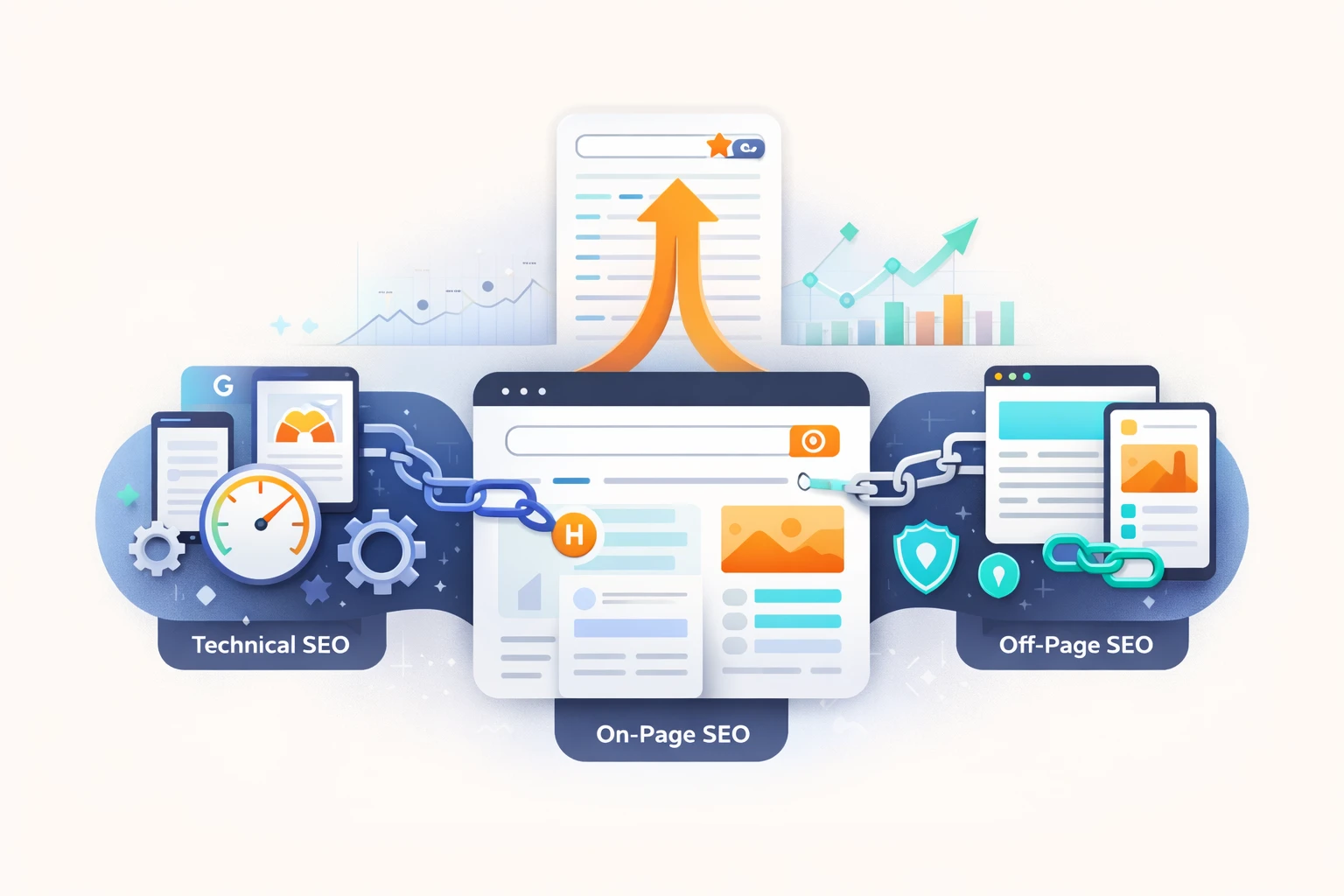
Key Pillars of SEO
- Technical SEO: This is about site speed, making sure your site works on mobile, and organizing your site links.
- On-Page SEO: This means using the right keywords in your titles, headers, and descriptions.
- Off-Page SEO: This focuses on getting other reputable websites to link back to yours to build trust.
“SEO is not about tricking Google. It’s about partnering with Google to provide the best search results for Google’s users.” – Phil Frost, Founder of Main Street ROI.
What is content marketing?
Content marketing is about creating helpful information to attract a specific audience. It is not a pushy sales pitch. Instead, it gives people answers to their questions or solutions to their problems.
While SEO talks to computer programs, content marketing talks to real people. It uses helpful guides and articles to build trust with your readers. Data shows that content marketing costs 62% less than traditional ads but brings in three times as many leads.
Key Pillars of Content Marketing
- Blog Posts: Writing deep-dive articles that explain a topic.
- Videos: Creating visual content for people who prefer watching over reading.
- Social Media: Sharing your ideas on apps to keep your audience engaged.

The Difference Between SEO and Content Marketing
Understanding the difference between SEO and content marketing helps you spend your marketing budget wisely. SEO is narrow and technical. Content marketing is broad and creative.
Think of SEO as the “delivery truck” for your brand. It builds the road so people can find you. Content marketing is the “package” inside. It is the reason people stay on your site once they arrive.
Strategic Distinctions at a Glance
| Feature | SEO Focus | Content Marketing Focus |
| Main Driver | Data and Algorithms | Human Connection |
| Success Metric | Search Rankings | Leads and Sales |
| Asset Type | Code and Tags | Blogs and Videos |
| Long-term Result | More Search Traffic | Customer Loyalty |
| Style | Technical | Creative |
Why “Is SEO Content Marketing?” Is the Wrong Question
Many people ask, is SEO content marketing? The answer is no, but you cannot have one without the other. One is the skeleton, and the other is the muscle. Neither can move alone.
Google now uses “semantic search.” This means it looks for the actual meaning of your writing, not just a specific word. This makes content marketing SEO very important. You have to cover a whole topic well rather than just repeating a keyword.
The Power of Topical Authority
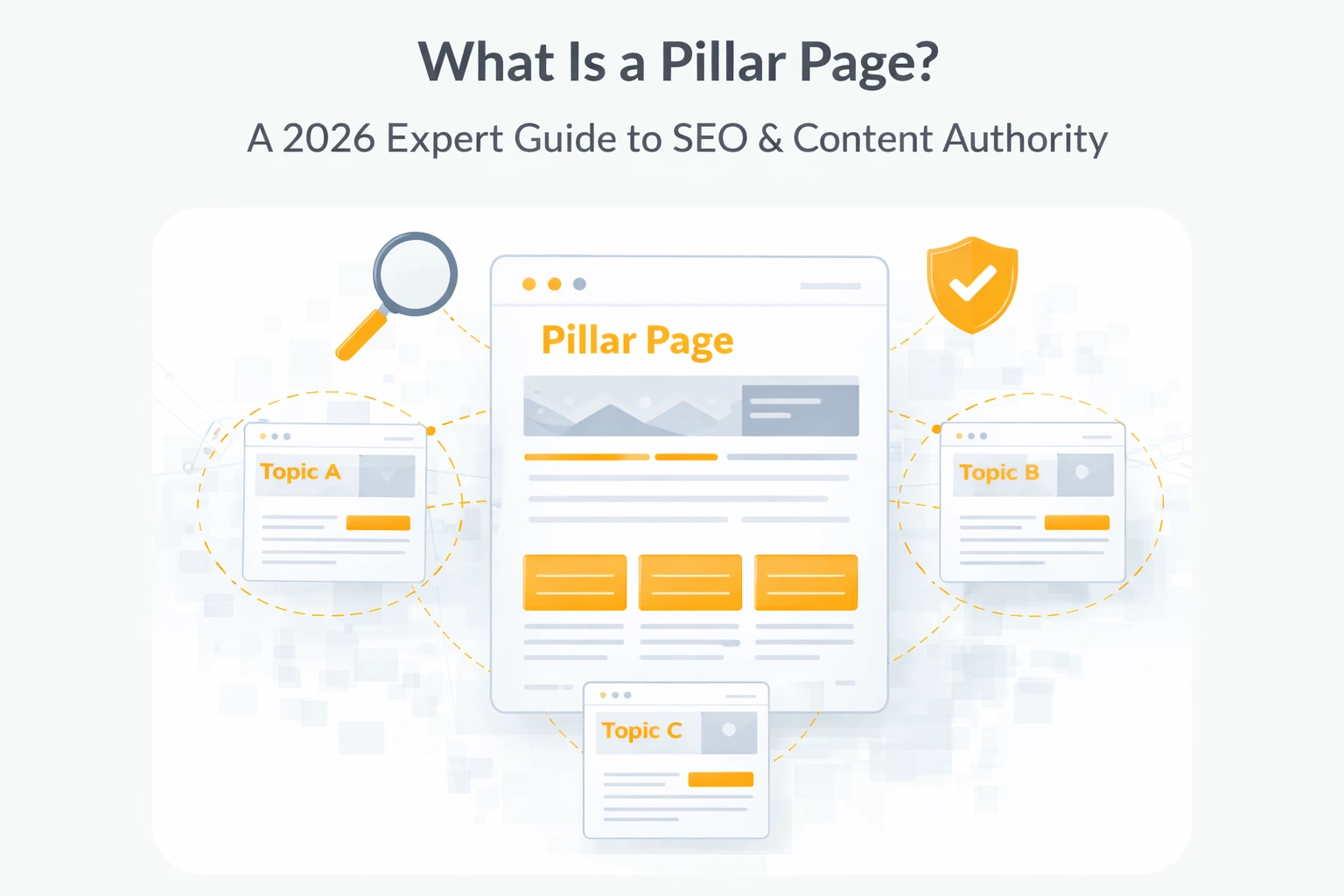
Instead of writing one short post for one keyword, you should create “topic clusters.” You write one big guide (a pillar page) and link it to several smaller, related articles. This proves to Google that you are an expert in your field.
SEO and Content Marketing Strategy: Working Together
When you blend these two, you get SEO and content marketing harmony. You can’t rank a site that has bad writing, and you can’t have a great blog that nobody can find.
A unified SEO and content marketing strategy makes sure your technical setup helps your creative work. This is the only way to get free traffic from Google without paying for expensive ads every day.
1. Keywords as the Roadmap
SEO tells you what people are actually typing into Google. Without this data, your content team is just guessing. By using these insights, you make sure every article you write has people ready to read it.
2. Backlinks and Trust
Google sees a link from another site as a “vote” for your website. However, no one will link to your site if your content is boring or useless. Good content marketing creates the “linkable” pages that SEO needs to build your rank.
3. Keeping People on Your Page
If someone clicks your link but leaves immediately because the page is bad, Google will lower your rank. Good writing keeps people reading. This tells Google your site is a high-quality resource.
How to Execute a Perfect SEO Content Marketing Strategy
To make SEO vs. content marketing work for you, your technical and creative teams must talk to each other. Here is a simple four-step process to follow.

Find Search Intent
Before writing, ask, “Why is the user searching for this?” Are they looking for info, or are they ready to buy? Your content must match what the user wants, or Google won’t show it.
Make it Easy to Scan
Use clear headings (H1, H2, and H3) to break up your text. SEO needs these to understand your page structure. Readers need them so they can scan the page and find answers quickly.
Use Real Data and Expert Advice
Google loves content that shows experience and trust. Use original stats or quotes from experts to make your work better. Data shows that the top three results on Google usually have more detailed info and better engagement.
Add Internal Links
Link your new articles to your older ones. This helps Google find all your pages and keeps readers on your site for a longer time.
Common Mistakes: Why Some Plans Don’t Work
Even with a good SEO and content marketing strategy, some businesses still don’t see their traffic grow. Usually, the problem is that the technical side and the writing side aren’t talking to each other.
To make your SEO content marketing successful, you need to avoid these common traps that keep websites off the first page of Google.
Working in “Bubbles”
The biggest mistake is having your SEO person and your writer work separately. If the SEO team only cares about keywords and the writer only cares about the story, the article won’t feel right. A great SEO and content marketing strategy happens when both sides plan the article together from the start.
Focusing on the Wrong Keywords
Many people try to rank for words just because they have a high search volume. But if those words don’t match what your business actually does, the visitors will leave quickly. You must match your content marketing SEO to what the user is actually looking for.
- Missing Goals: If the SEO team is looking at rankings while the writers are looking at likes, nobody is looking at sales. You need one shared goal.
- Forgetting Old Content: Content gets old. If you don’t update your old posts with new info and better keywords, your rankings will eventually drop.
- Writing for Bots, Not People: If you use a keyword too many times, the writing sounds robotic. If a human finds it hard to read, Google will eventually stop showing it.
Real Industry Data and Facts
To see why you should invest in SEO or content marketing, look at these recent marketing stats:
- The Power of Organic Search: Research from BrightEdge shows that organic search brings in 53.3% of all website traffic. This is much more than what paid ads provide.
- Why Depth Matters: Data from Backlinko shows that long articles (over 3,000 words) get 77% more links than short posts. Writing in detail helps your search authority.
- What Works Best: A survey by Ahrefs found that 72% of marketers believe creating high-quality content is the single most effective way to improve SEO.
Conclusion
In the end, there is no “winner” of SEO vs. content marketing. SEO and content marketing are the two parts of the same play. SEO is about being “found,” and content marketing is about being “worth” finding.
It is at this point that your content marketing SEO strategy truly aligns, making both Google’s machines and the human readers on the other end extremely happy. And that is the key to natural growth for your business. So, by all means, focus on the data, but never forget the human on the other end of the page.
FAQs
What is the biggest difference between SEO and content marketing?
SEO is the technical side that helps you get seen. Content marketing is the creative side that provides value to the reader.
Can you rank on Google without content marketing?
No. Google needs high-quality writing to show as answers to people’s questions. Without content, there is nothing to rank.
Does content marketing help improve SEO rankings?
Yes. Good content keeps people on your site longer and earns you links from other websites. Both help you rank higher.
How do keywords fit into a content marketing strategy?
Keywords are your map. They make sure you are writing about things people are actually looking for online.
Which should I start with, SEO or content marketing?
You should start with both. Use SEO to find the right topics, and then use content marketing to write about them.