
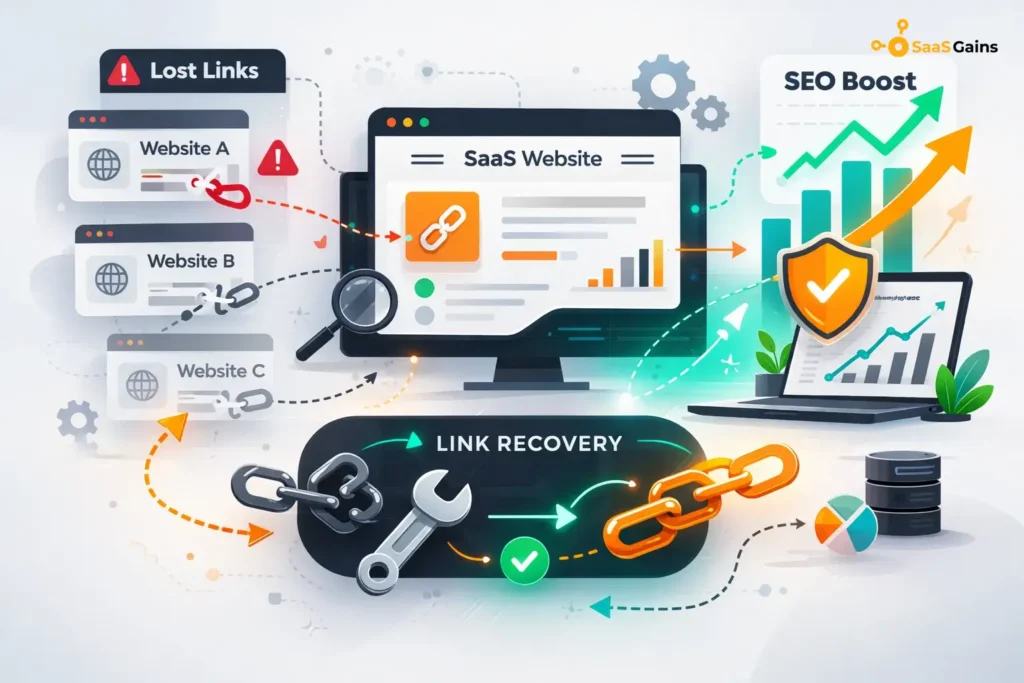
Lost backlinks may feel like lost opportunities, but they don’t have to be. Each broken link represents an opportunity to regain key SEO benefits and increase traffic to your website. In 2026, when AI overviews and search algorithms prioritize trust signals, reclaiming these votes will be more important than ever.
Whether it’s a 404 error, an outdated redirect, or a link that has quietly disappeared, resolving these issues can make a significant difference. By regaining lost links, you may:
- Boost your rankings
- Reestablish your site’s authority
- Provide a better user experience
Let’s look at some simple tactics for recovering those links and converting them into a win for your website!
What is link reclamation?
Link reclamation is the process of fixing or recovering backlinks that no longer work. These backlinks were once valuable for driving website traffic and boosting search rankings. However, they became broken or lost due to changes like deleted pages or updated URLs.
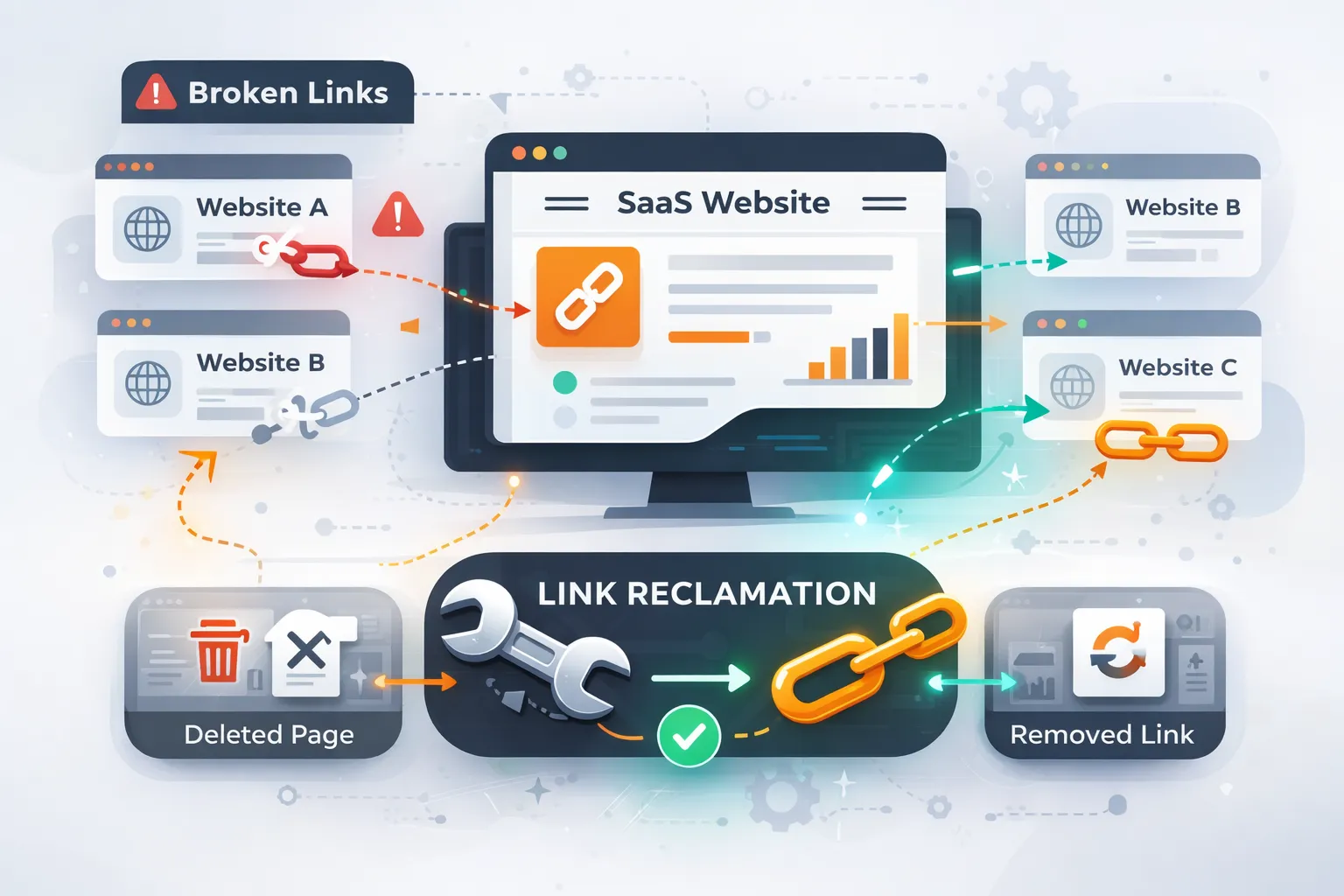
There are several reasons links may need to be reclaimed. For example:
- A page on your site was removed.
- A URL was changed without setting up a proper redirect.
- A website owner removed your link from their page.
Pro Tip: You can regain lost traffic and authority by finding and fixing broken links. In 2026, search experts at backlinko note that 95% of pages have zero backlinks so reclaiming even one high-authority link puts you ahead of the majority of the web.
Why is Link Reclamation Important in 2026?
With the rise of “answer engines,” the role of link reclamation has transitioned from ranking to validating entities.
- Improves Search Rankings: Link reclamation helps regain lost backlinks, which are essential for maintaining your pages on the first page of Google.
- Fixes Referral Traffic: Link reclamation helps fix broken links so that potential clients who click on a recommendation can actually visit your site.
- Confirms Authority to AI: AI-powered search engines such as Google’s SGE (Search Generative Experience) use backlinks as trust filters to determine which brands to quote in summaries.
- Enhances User Experience (UX): Broken links can be frustrating for users. Link reclamation helps ensure that visitors access the right and relevant pages.
- Cost-Effective Strategy: It is always cheaper to reclaim a link that you previously earned than to start a new outreach campaign.
Common Causes of Losing Backlinks
Losing backlinks can damage your website’s ranking. Understanding why they disappeared is the first step to getting them back.
1. Link Removal during Content Refreshes
When website owners update or restructure their pages, they may eliminate links that point to your site. This is often done to remove outdated links or simply because the new editor prefers a different source.
- Action Tip: Contact the site owner and offer your updated, more valuable content as a fresh replacement.
2. 404 Errors (The Silent Traffic Killer)
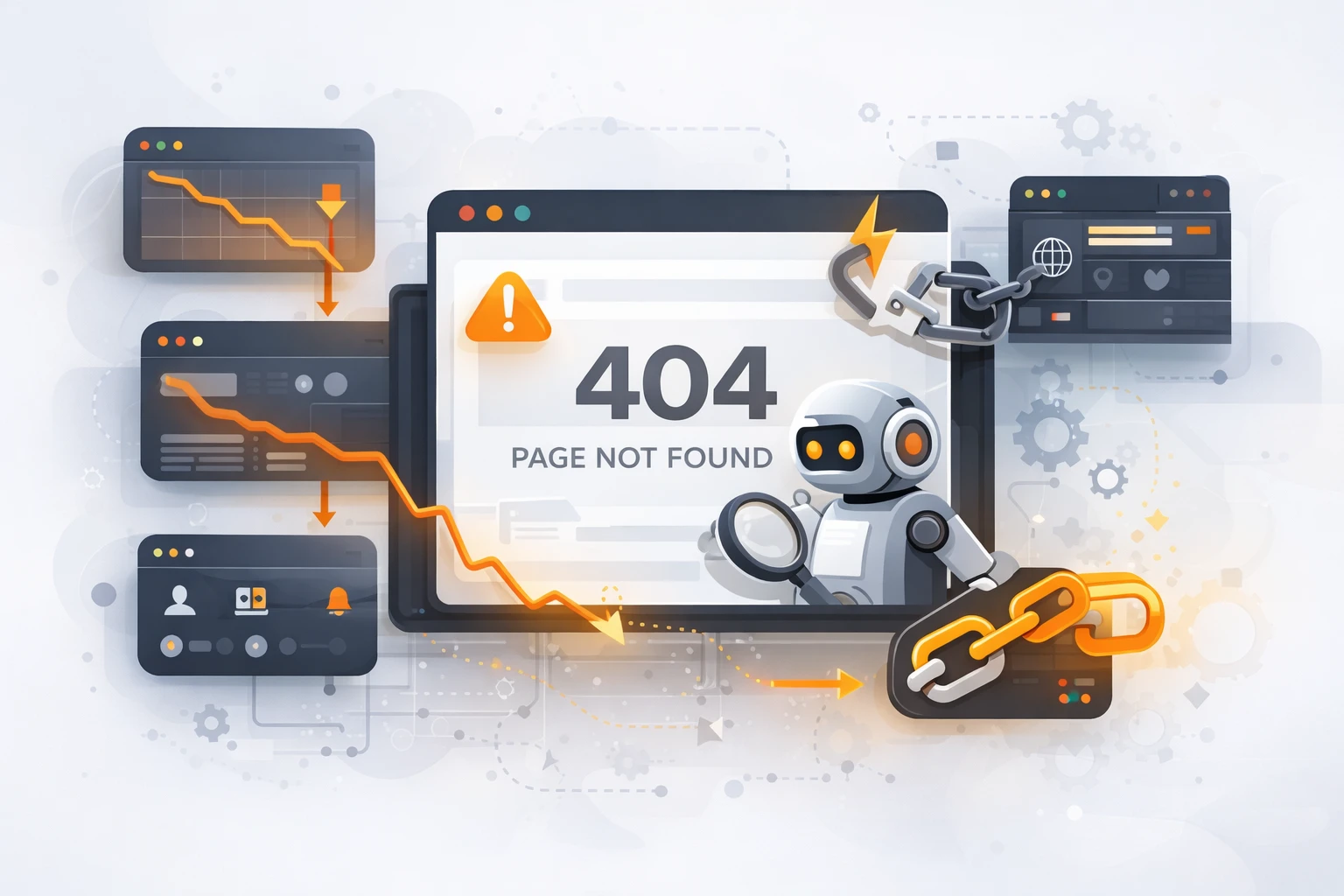
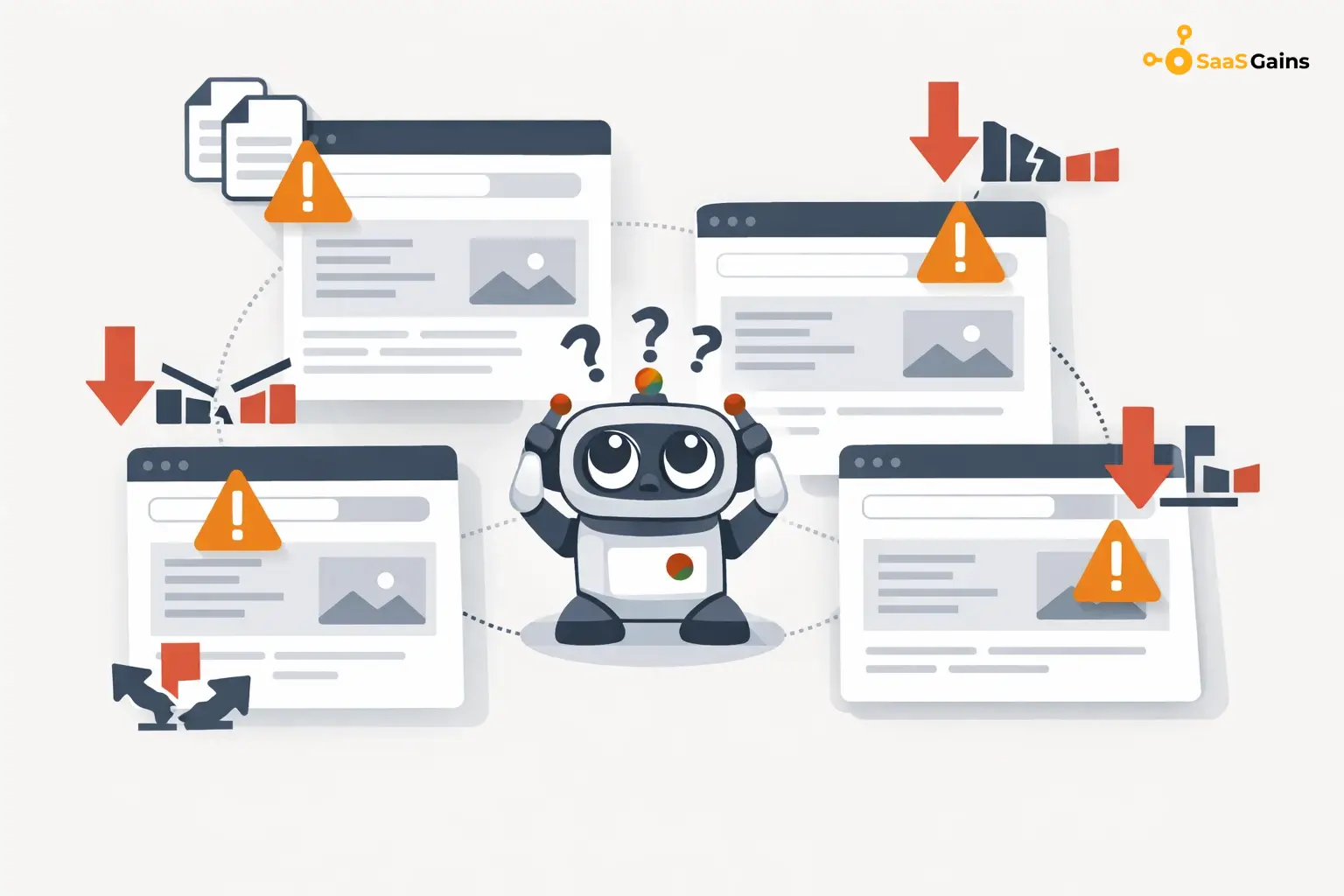
This happens when a page is deleted or its URL changes without adequate redirection. Visitors and search crawlers end up on a “Page Not Found,” resulting in immediate authority loss.
- Action Tip: Use tools like SEMrush or Ahrefs to regularly check your site for 404 issues and redirect them to relevant, live pages.
3. Broken 301 Redirects
If a page is redirected but the redirect is not configured correctly, link equity may be lost. Redirect chains (A > B > C) and loops confuse both users and search engines.
- Actionable Tip: Simplify redirect paths to ensure they lead straight to the final destination without unnecessary “hops.”
Link Reclamation vs. Claiming Unlinked Brand Mentions
While often confused, these are two different strategies for the same goal: growing your authority.
| Aspect | Link Reclamation | Claiming Unlinked Brand Mentions |
| What It Is | Fixing broken or lost backlinks. | Asking for a link where your brand is mentioned. |
| Main Goal | To recover lost SEO value. | To gain new SEO value from existing buzz. |
| Common Cause | Broken links, 404 errors, or URL changes. | Natural brand recognition without a hyperlink. |
| What You Gain | Restores rankings and traffic. | Adds fresh authority and visibility. |
| Tools to Use | Ahrefs, SEMrush, and Screaming Frog. | Google Alerts, BrandMentions, and Mention. |
Steps to Find and Reclaim External Backlinks
Follow these straightforward steps to identify and win back your lost external equity.
1. Finding Lost Links
The first stage is identifying functional gaps. Tools like SEMrush and Ahrefs simplify this by providing “Lost Backlinks” reports.
- Perform a backlink analysis on your domain.
- Filter results by “Lost” or “Broken” to see which sites recently stopped linking to you.
- Prioritize the sources with the highest Domain Rating (DR) and traffic.
2. Prioritize by Value
Not all links are worth the effort. Focus on regaining links from websites that generate considerable traffic or are highly relevant to your software or service. A link from a DR 70 industry leader is worth more than 50 links from small, unrelated blogs.
3. Reach Out to the Webmaster
Once identified, send a polite, professional email to the site owner. Explain that you noticed a broken link on their page and offer the updated URL.
- The “Helpful” Pitch: Frame it as helping them improve their user experience by fixing a broken link on their site.
- Be Concise: Don’t write a novel. Just state the page, the broken link, and the fix.
4. The 2026 Follow-Up Routine
Webmasters are busier than ever. If you don’t hear back, wait 7 to 10 days before sending a soft nudge. In 2026, experts recommend a maximum of two follow-ups. If they don’t respond, move on to fresh opportunities.
Finding and Reclaiming Internal Links
Internal links connect your content. When these connections fail, Google can’t crawl your site, and your rankings will suffer.
- Audit Your Website: Use Screaming Frog or SEMrush to find internal 404 errors.
- Fix Broken Paths: If a page is gone, update all internal links to point to the next most relevant resource.
- Review Redirects: Eliminate redirect chains to speed up your page load times a critical ranking factor in 2026.
- Improve Anchor Text: Instead of generic wording like “click here,” use descriptive terms like “guide to SaaS link building” to help Google understand your content structure.
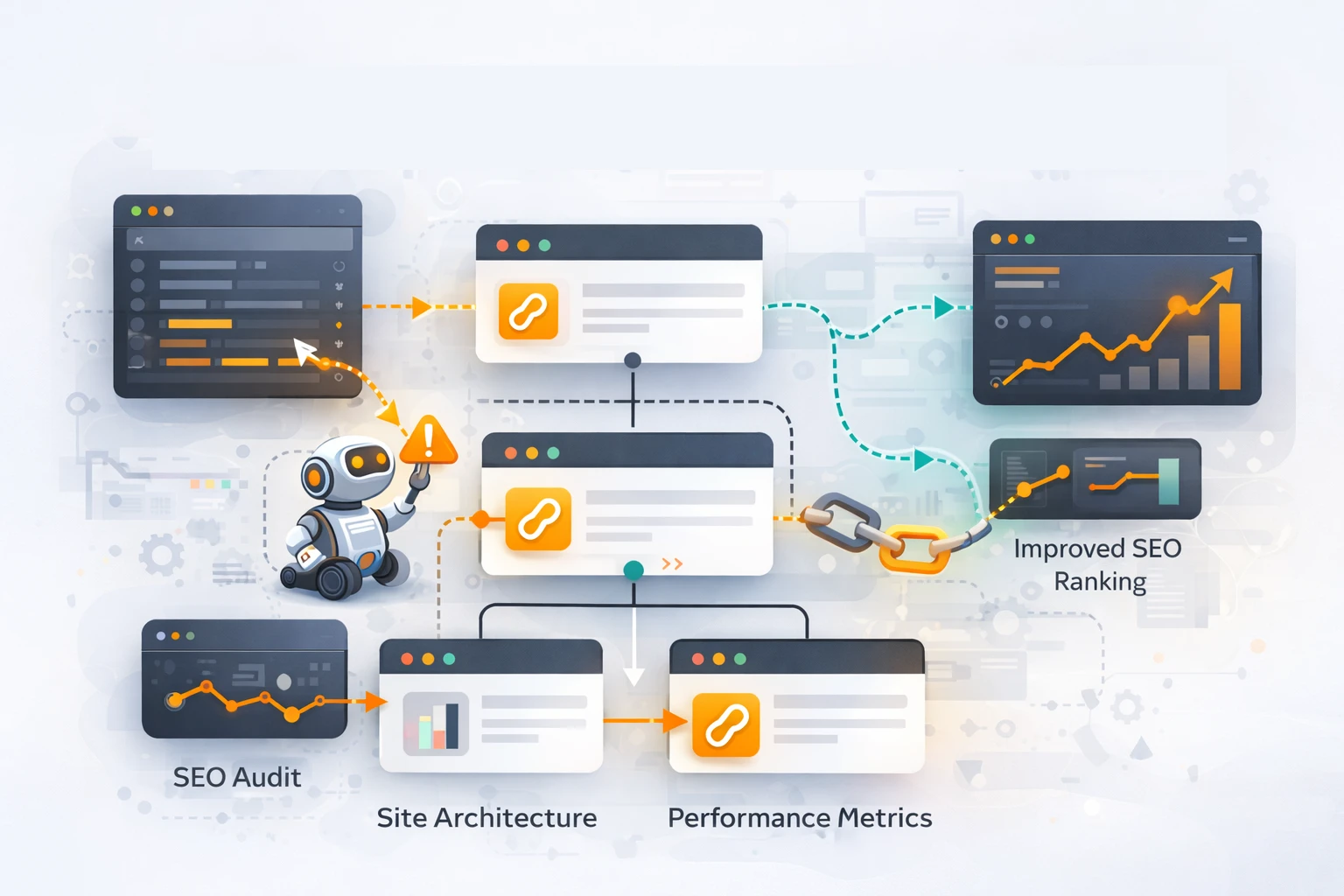
Expert Insights: The Stats You Need to Know
According to verified 2026 SEO studies and industry benchmarks:
- The Authority Gap: High-ranking pages continue to dominate the link landscape. In fact, the #1 result on Google typically has 3.8 times more backlinks than the websites sitting in positions #2 through #10.
- Organic Search Power: Despite the rapid rise of AI-generated summaries, organic results remain the heart of the web. Moving your site from position #2 up to the #1 spot can increase your click-through rate by a massive 74.5%.
- Referral ROI: Quality matters more than social buzz for SaaS companies. Referral traffic from trusted industry sites and directories converts at an average rate of 2.9%, significantly higher than B2B social media traffic, which often hovers under 1%.
- The “Zero Link” Reality: Most content on the web is invisible to search engines. Recent data shows that 95% of all indexed pages have zero backlinks, making even a small handful of high-quality links a major competitive advantage.
As SEO pioneer Julia McCoy once said, Building links isn’t an easy task, so when your hard-earned links suddenly vanish or when you find a broken backlink, it can be frustrating, it devalues your SEO efforts, and it’s damaging to your site’s overall credibility.
Conclusion
Regaining lost backlinks is essential to maximizing the potential of your website, not merely to correct mistakes. You can guarantee that your SEO foundation is unbreakable by concentrating on high-value partnerships and carrying out routine audits.
A proactive approach to link reclamation ensures that your “link profile” stays healthy even as the web changes. Every link you get back improves your online visibility and lets Google and AI models know that your company is a leader. Keep your hard-won influence intact. Act now to transform those damaged connections into fresh chances for development.
FAQs
Is link reclamation more important than new link building?
They work together. Reclamation is about plugging the leaks in your bucket, while building new links is about filling the bucket. You should do both.
How often should I check for lost backlinks?
For SaaS and growing businesses, a monthly audit is recommended. Large e-commerce sites may need biweekly checks.
Does Google penalize you for lost links?
Not directly, but you lose the ranking “points” those links provided. If you lose several high-authority links at once, you will see a drop in your search position.
Can I automate link reclamation?
You can automate the finding process using alerts in Ahrefs or SEMrush, but the outreach should always be personalized and human-written to ensure a high success rate.