
Backlink exchange is still a common practice in SEO, even in 2026. Many website owners exchange links to help each other improve search rankings. However, search engines have become much more advanced in how they track these links.
Google is smarter today than ever before. It can easily spot forced exchanges and patterns created just to trick the system. This makes many beginners wonder if backlink exchange is a helpful tool or a dangerous risk.
This guide provides a simple look at how exchanges work today. It will help you understand the risks and how to stay safe in the real world of SEO.
“Link exchanges aren’t dead; they’ve just evolved.”
What Is a Backlink Exchange?
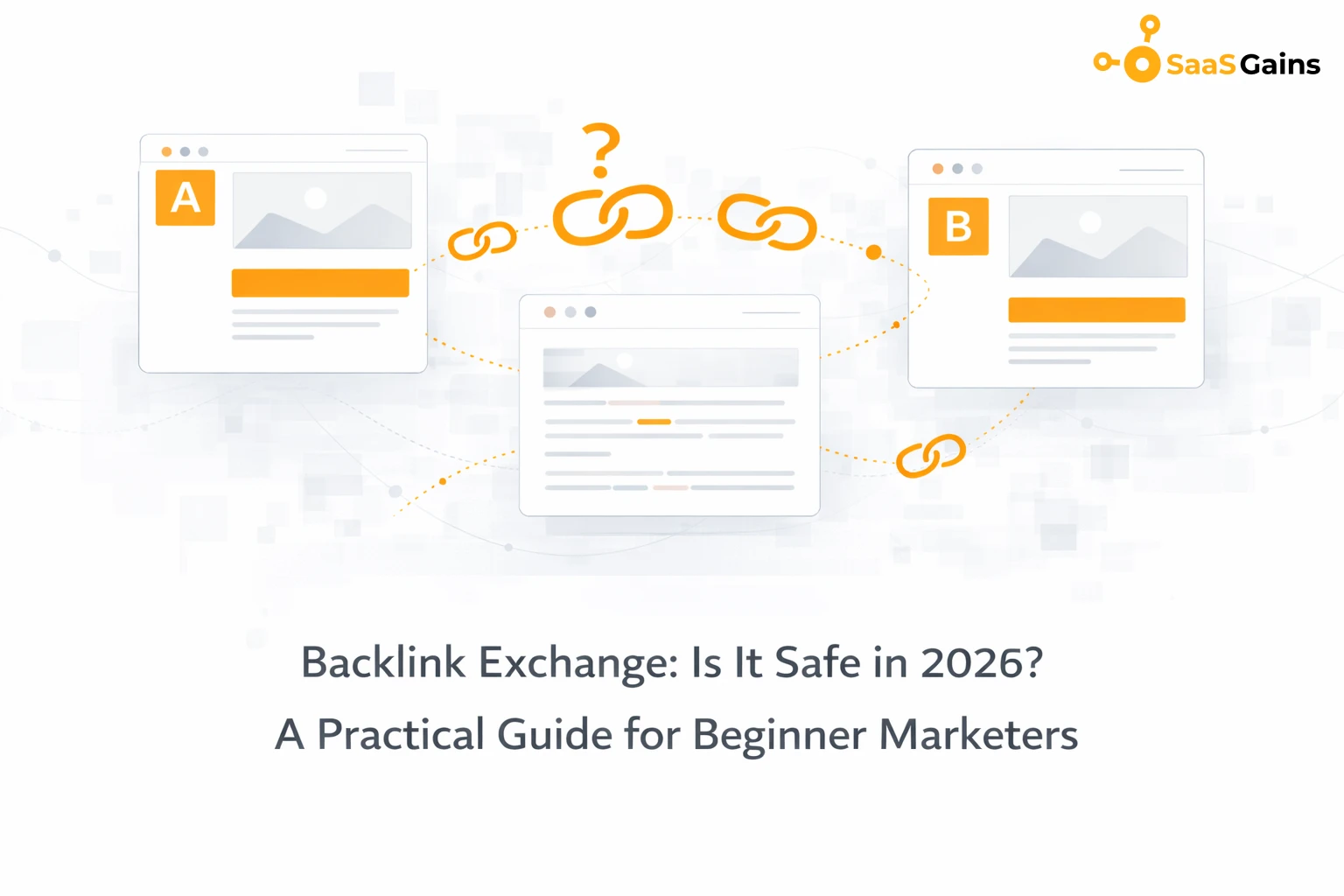
A backlink exchange happens when two website owners agree to link to each other. It is a “you link to me, and I link to you” arrangement.
The goal is to share “link authority” to help both sites rank higher. For example, a digital marketing blog might link to an SEO tool, and that tool website links back to the blog in a helpful guide.
- Natural links: These are earned because your content is great.
- Planned exchanges: These are intentional deals made for SEO.
Search engines treat these two very differently. To stay safe, an exchange must feel as natural as possible.
How Search Engines View Backlink Exchanges Today (2026)
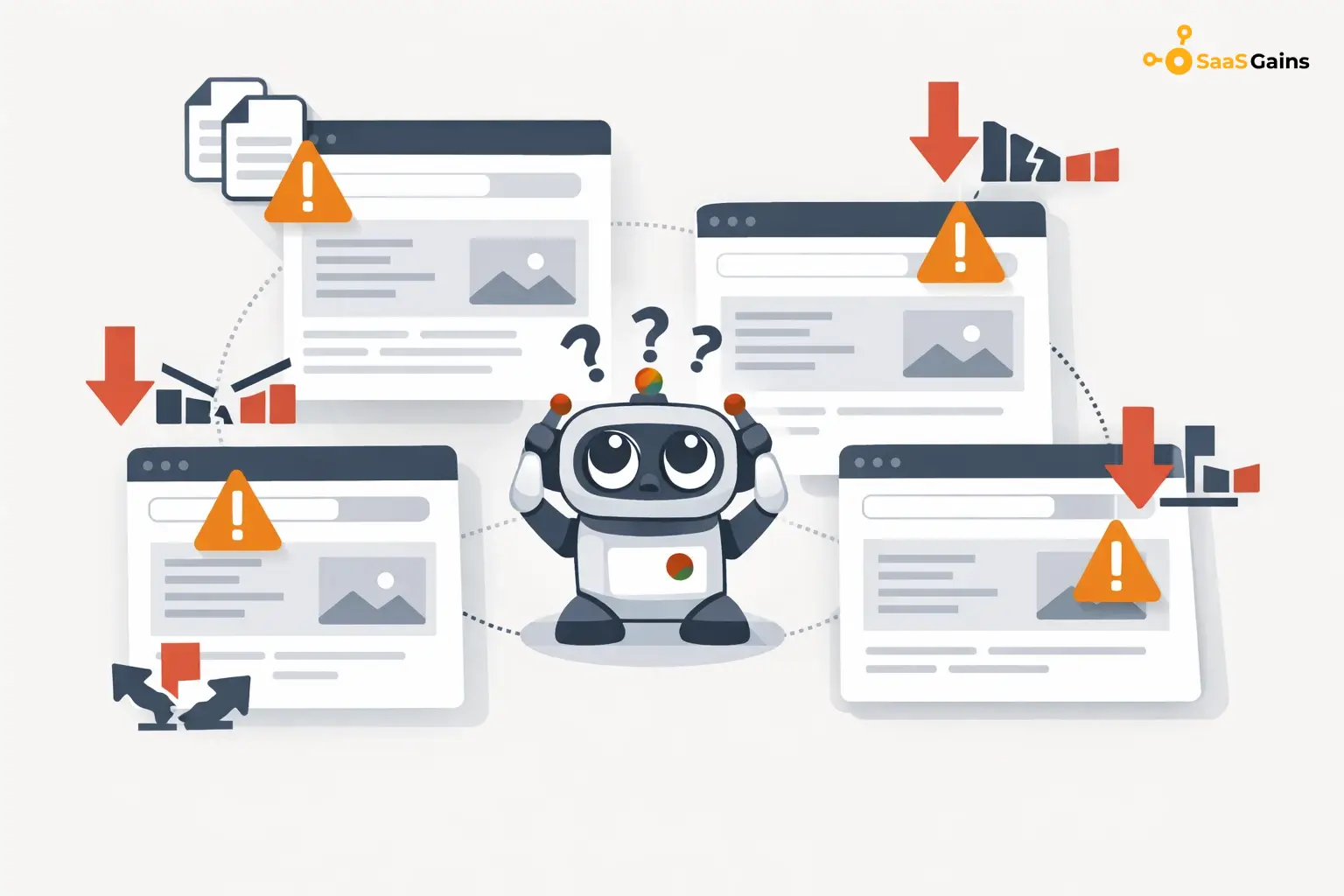
Google considers excessive exchanges as “link schemes.” These are tactics meant to manipulate rankings rather than help users. In 2026, search engines look for specific patterns to catch these trades:
- Direct links that are repeated across many pages.
- Networks of sites owned by the same person linking to each other.
- A sudden, unnatural jump in the number of links you have.
- Using the exact same clickable text (anchor text) every time.
In most cases, Google simply ignores these suspicious links. However, if you do it too much, your site could face a manual penalty and lose its ranking.
Expert Insight: “Link spam is the practice of creating links to or from a site primarily for the purpose of manipulating search rankings.” — Google Search Central
Types of Backlink Exchanges
Direct Reciprocal Exchange (A ↔ B)
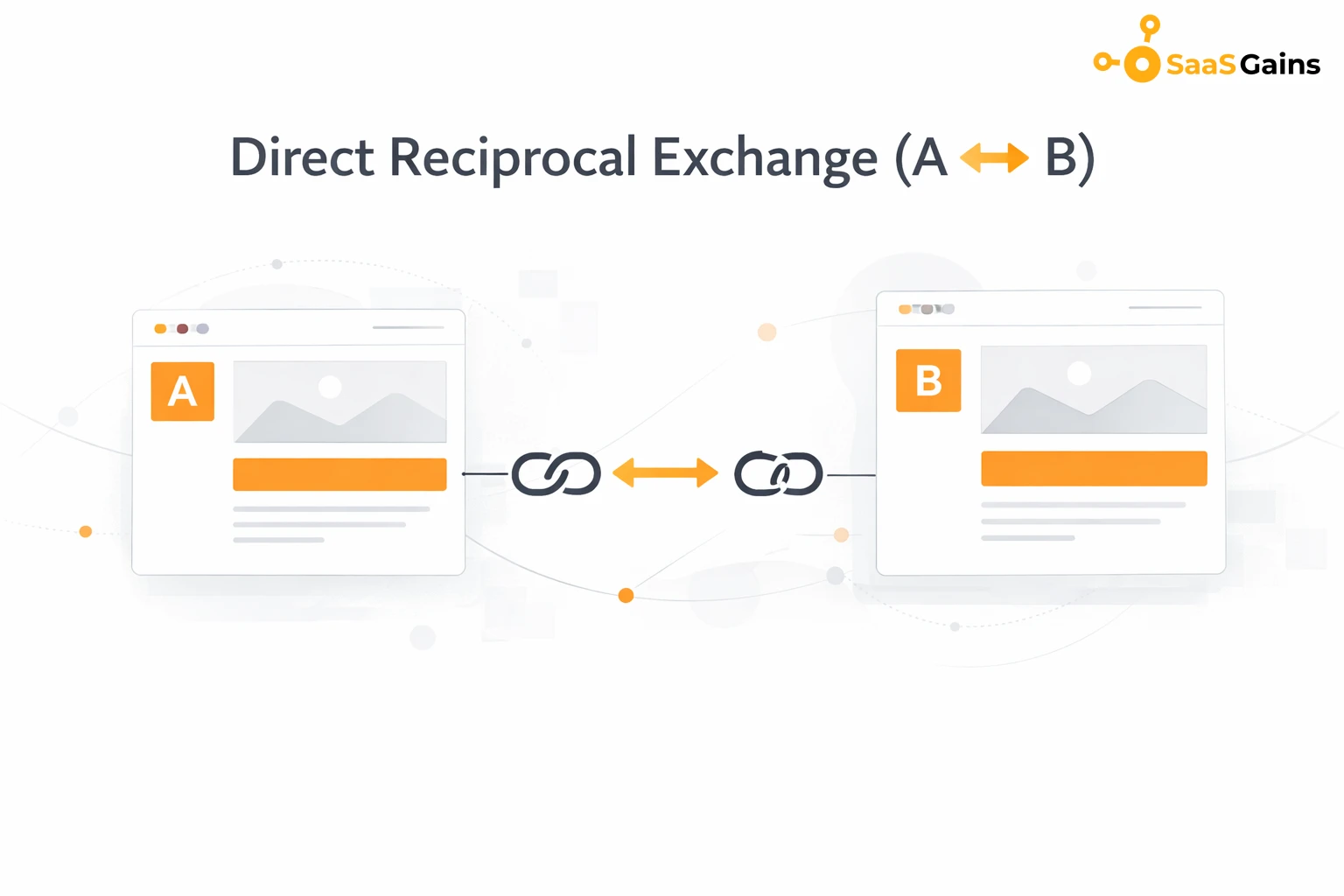
This is the most common style, where two sites link directly.
- When it works: When both sites are in the same niche and the link is useful.
- When to avoid: If this is your only way to get links. A healthy website needs a mix of different link types to look natural to Google.
Three-Way Exchange (A → B → C)
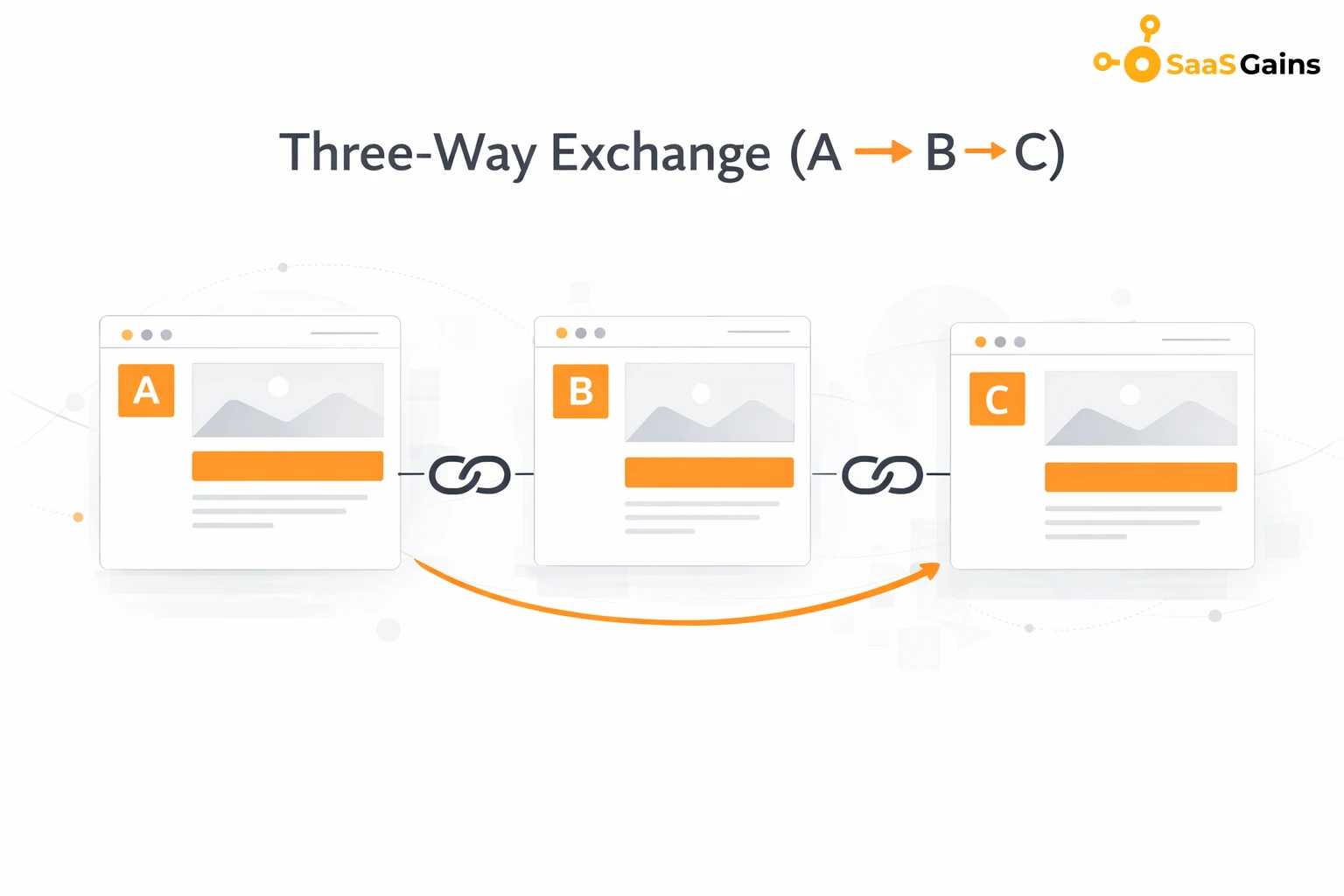
This method tries to hide the trade. Site A links to Site B, while a third site (Site C) links back to Site A.
- The Risk: Beginners often repeat this pattern too many times, making it easy for AI to detect.
Network or Group Exchanges
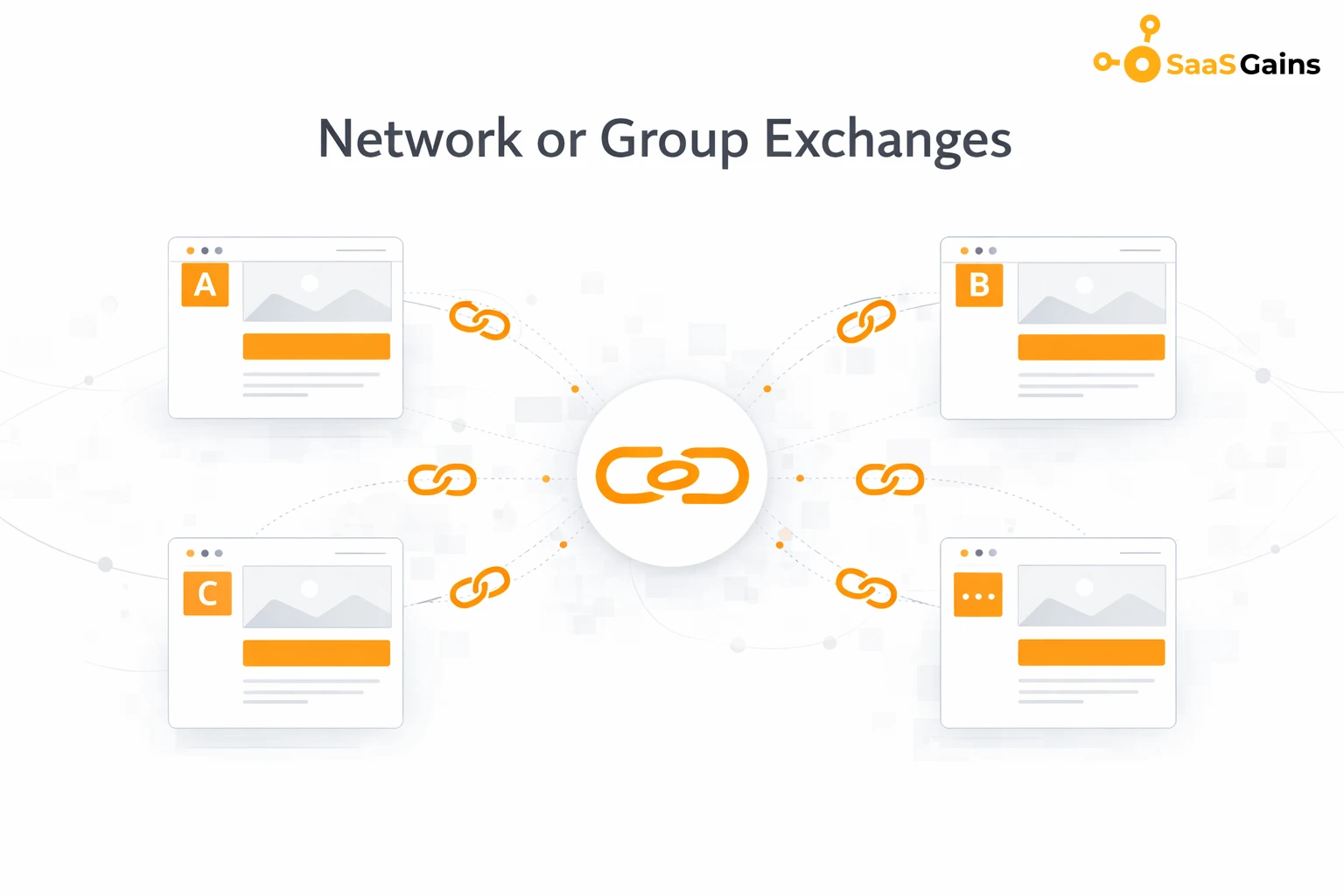
These happen in Facebook or Telegram groups where strangers swap links.
- The Risk: These are very dangerous. The links are often irrelevant and come from low-quality sites.
Natural Editorial Mentions
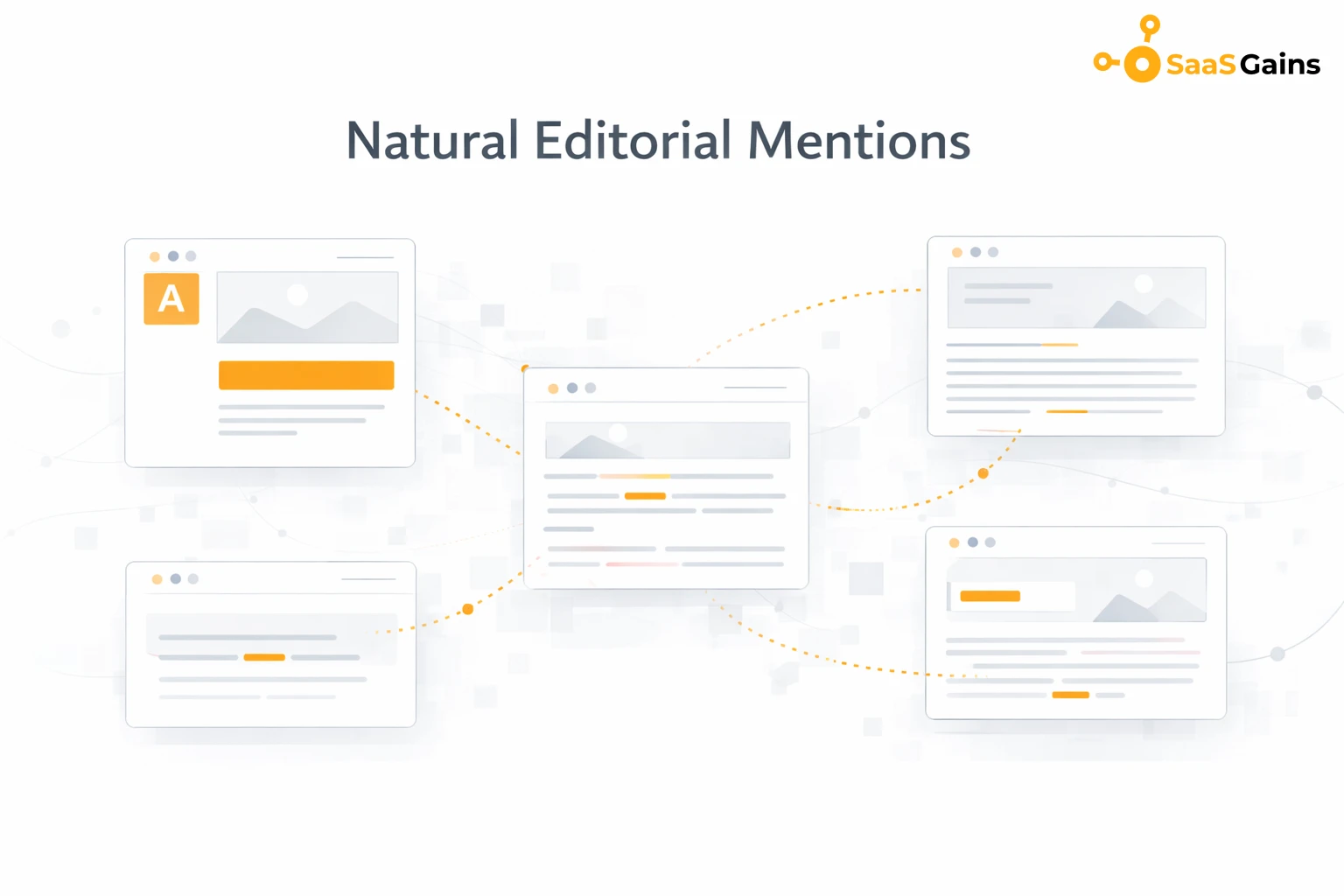
These happen when someone links to you because your content is excellent. Google loves these because they provide real value to readers.
5 Practical Steps to Do Backlink Exchanges Safely in 2026
Step 1: Check Niche and Topical Relevance
Both websites should be in the same industry. A fitness site linking to a tech page looks like a red flag. The connection must make sense to a human reader.
Step 2: Evaluate Page-Level Quality
Ensure the page is actually indexed on Google and gets real visitors. Avoid pages that have hundreds of outgoing links, as they pass very little value.
Step 3: Use Natural Anchor Text
Avoid using the same keyword every time. Instead, use a mix of:
- Brand names (e.g., “According to [Your Name]”)
- Generic terms (e.g., “visit this site”)
- Natural phrases (e.g., “this helpful guide on SEO”)
Step 4: Keep Timing and Frequency Natural
Avoid “swapping” links on the same day. Spread your exchanges out over weeks or months. Search engines expect link growth to look gradual and steady.
Step 5: Use Exchanges as a Supplement
Exchanges should only be a small part of your plan. Focus more on guest posting and creating content that people want to share.
Safe vs Risky Backlink Exchange Checklist
| Safe Signals | Risk Signals |
| Sites are in the same or related niche | Websites have nothing in common |
| The link is inside a helpful article | The link is in the footer or sidebar |
| The page has real organic traffic | The page is made only to hold links |
| Uses branded or natural anchor text | Uses the same exact keyword every time |
| Exchange happens only occasionally | Systematic or large-scale swapping |
Common Beginner Mistakes to Avoid
Many beginners focus only on “Domain Rating” (DR). They think a high DR number makes a link safe, but relevance matters much more than metrics.
Other common mistakes include:
- Saying “yes” to every link request.
- Forgetting to track your links to see if they were removed.
- Repeating the same anchor text, which looks like spam.
Expert Tip: “The more relevant or related a linking page is to the page it links to, the more value or link equity it will pass to that page. For example, a page on dog food brands will pass more link equity to a page on dog diets than a page on gardening will.” — Ahrefs SEO Glossary
Real-World Mini Examples
Example 1: The Successful Strategy
A software blog exchanged 6 links with relevant industry partners over a few months. The links were placed inside long, helpful articles. This led to steady growth in their search rankings.
Example 2: The Ranking Drop
A website joined an exchange group and added 20 links from unrelated sites in one week. Most links were from low-quality pages. After a Google update, the site lost 50% of its traffic.
Backlink Exchange vs Safer Alternatives
| Method | Risk Level | Long-Term Value |
| Backlink Exchange | Medium to High | Limited if overused |
| Guest Posting | Low | Strong and consistent |
| Digital PR | Very Low | High authority |
| Linkable Assets | Very Low | Sustainable growth |
Expert Opinions on Backlink Exchanges in 2026
John Mueller, Senior Search Analyst at Google:
“A link exchange where both sides are kind of like, ‘You link to me, and therefore I will link back to you,’ kind of thing—that is essentially against our webmaster guidelines. So that’s something where our algorithms would look at that and try to understand what is happening here and try to ignore those links.”
Lily Ray, VP of SEO Strategy and Research at Amsive:
“When I started in SEO 15 years ago, I quickly learned about ‘reciprocal link’ exchanges—you link to me and I’ll link to you. It was a really popular link-building tactic—well, until most sites using it got crushed by the Penguin update.”
Gary Illyes, Search Analyst at Google:
“That depends on the purpose of that link, really, but if it’s not an egregious link manipulation scheme, we’re more likely to just ignore it.”
Final Verdict
Backlink exchange is a tool that requires balance. It is neither fully safe nor fully forbidden. Its success depends on how naturally you do it. For beginners, the best advice is moderation. Use exchanges occasionally and only with high-quality partners. If you would still place the link even if Google didn’t exist, it is likely safe.
FAQs
Are backlink exchanges completely banned?
No. Occasional exchanges are natural. However, doing it on a large scale to “game” the system is against the rules.
Do exchanged links still work in 2026?
Some do, but many are simply ignored by Google’s AI if they don’t look natural.
What is the safest rule for a beginner?
If a link does not help a real person reading the article, you should avoid it.